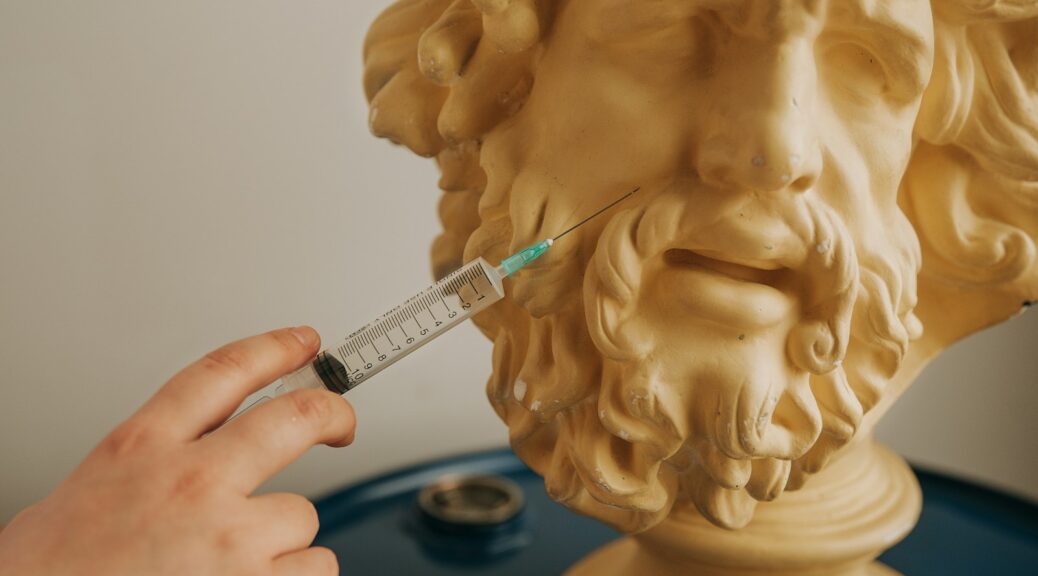
Botox and fillers in Tunisia: lips, under-eyes, chin, jawline and what can go wrong
In short: botulinum toxin relaxes the muscles that cause expression lines, while hyaluronic acid filler restores volume in the lips, under the eyes, at the chin or along the jaw; skin boosters and biostimulators work on skin quality rather than shape. For someone living in Switzerland, having injections in Tunisia makes most sense when combined with a surgical stay or when you stay long enough for the two-week review, because toxin needs a check and complications must be managed quickly. The rules for safety are the same everywhere: a doctor injects, the product is authorised and recorded by name and batch, and hyaluronidase is on hand. This guide covers each area of the face, what can go wrong and how to plan treatment between Tunisia and Switzerland.
This article is general information. It does not replace a consultation or medical advice from a qualified doctor.
Contents
- What changed in 2025 and 2026
- Who may inject, in Switzerland and abroad
- Botulinum toxin, area by area
- Lip filler
- Under-eye filler
- Chin, jawline, cheeks and temples
- Skin boosters and biostimulators
- Which treatment for which concern?
- Complications and hyaluronidase
- Injections for men
- Injections after 60
- Common beliefs, checked
- Medical uses people ask about
- Injections in Tunisia: when it makes sense
- Timing, aftercare and travel
- What a good consultation looks like
- Four typical cases
- Sources
- FAQ
What changed in 2025 and 2026
Are injections still the most popular treatments?
Yes, but filler is declining. The International Society of Aesthetic Plastic Surgery (ISAPS) published its Global Survey for 2025 on 29 September 2026. Botulinum toxin remained the most common non-surgical procedure worldwide, with 7.3 million procedures performed by plastic surgeons, followed by hyaluronic acid fillers with 4.7 million. ISAPS reported that hyaluronic acid treatments fell by 25%. The survey counts only procedures by plastic surgeons, so the real number of injections is much higher.
The American Society of Plastic Surgeons (ASPS) published its 2025 statistics on 1 September 2026: neuromodulators (botulinum toxin products) accounted for 50% of minimally invasive procedures and hyaluronic acid fillers for 30%. Patients aged 66 and over showed the largest increase in volume. Practitioners describe the same shift in Geneva and Zurich: less volume, more natural results, more attention to skin quality, and fewer « trend » treatments in very young people.
What happened with botulism in England?
In summer 2025, the UK Health Security Agency (UKHSA) investigated cases of iatrogenic botulism linked to cosmetic toxin injections. According to its Health Protection Report of August 2025, 41 clinically confirmed cases were reported between 4 June and 6 August 2025 in five regions of England. Most people had received products not licensed in the UK. Botulism causes progressive muscle weakness, drooping eyelids, double vision and difficulty swallowing, speaking or breathing; it is rare but a medical emergency. The lesson applies in Switzerland and Tunisia alike: an unauthorised product at a suspiciously low price is a real risk.
Did Switzerland authorise new products?
Swissmedic granted a first authorisation to Relfydess, a botulinum toxin type A product, on 10 March 2025, for the temporary improvement of moderate to severe frown lines and crow’s feet, according to its public summary report published in June 2025. It joins other toxin products already authorised in Switzerland. Products differ in their units and dosing, so your doctor should always tell you which one is used.
Are weight-loss medicines changing requests?
Yes. People losing weight quickly with semaglutide or tirzepatide often notice hollow cheeks and temples and a looser jawline. Fillers and biostimulators are sometimes used to restore some volume, but when weight is still falling, it is wiser to wait. Large volumes of filler cannot replace lost fat on a whole face, and for marked laxity, surgery, sometimes with fat grafting, is the more appropriate answer. Our guide to facial surgery in Tunisia covers that option.
| Date | Source | Key point | What it means for you |
|---|---|---|---|
| 10 March 2025 | Swissmedic | Relfydess authorised for frown lines and crow’s feet | Several toxin products exist; ask which one is used |
| Aug. 2025 | UKHSA | 41 confirmed botulism cases after cosmetic injections, mostly unlicensed products | Authorised products and medical injectors only |
| 1 Sept. 2026 | ASPS 2025 statistics | Toxin 50% and fillers 30% of minimally invasive procedures | Toxin and filler remain the core treatments |
| 29 Sept. 2026 | ISAPS Global Survey 2025 | 7.3 million toxin and 4.7 million filler procedures; filler down 25% | A shift towards more measured use of filler |
Who may inject, in Switzerland and abroad
Is botulinum toxin a medicine?
Yes. In Switzerland, toxin products are prescription medicines authorised by Swissmedic for specific indications. Cantonal rules require administration by a doctor or under a doctor’s direct responsibility. The canton of Vaud, for example, explains that only doctors or specially trained nurses working under a doctor’s responsibility may perform these injections, in a medical setting, and that beauty salons offering them act illegally.
And fillers?
Hyaluronic acid fillers are medical devices rather than medicines, but injecting them is a medical act because of the risk to blood vessels and nerves. The same principle applies: a doctor, or a trained nurse under direct medical supervision, in a medical setting.
What should I check abroad?
The same things. Who injects, and what is their training? Which product, from which manufacturer, and is it authorised? Is the product opened in front of you, and will the name and batch number be written in your file? Is hyaluronidase available on site? A clinic that cannot answer these clearly is not a safe choice, whatever the price. Medespoir describes the treatments on its French pages on botulinum toxin and hyaluronic acid injections.
Does Swiss insurance pay for any injections?
Not for cosmetic purposes. Toxin can be covered for certain medical indications, such as some cases of excessive sweating, chronic migraine or muscle spasticity, under the conditions of the list of reimbursed medicines. Fillers can be covered on prior approval for facial lipoatrophy caused by illness or medication. Treatments for wrinkles, lips or contouring are self-funded, in Switzerland and abroad.
Botulinum toxin, area by area
How does it work, and how long does it last?
Toxin temporarily blocks the signal from nerve to muscle, so the treated muscle relaxes and the lines it creates soften. Effects appear after three to seven days and peak at about two weeks. They usually last three to four months, sometimes longer with repeated treatment. It works on dynamic lines, those caused by movement; deep lines visible at rest improve partially.
Frown lines between the eyebrows
The most common indication and the one for which products are most widely authorised. A good result relaxes the frown without freezing the forehead. If too much product spreads, the upper eyelid can droop temporarily; this is uncommon with careful technique and resolves over weeks.
Forehead lines
The forehead muscle lifts the brows. Treating it too strongly, especially in people whose brows are already low, can make the brows drop and the eyes look heavy. Experienced injectors treat the forehead conservatively and often together with the frown area to keep balance.
Crow’s feet
Lines at the outer corners of the eyes, visible when you smile. Toxin softens them well. Over-treatment can affect the smile or the lower eyelid; small doses work best.
Jaw slimming and teeth grinding
Injection into the masseter muscles slims a square jaw over several weeks, as the muscle reduces in size, and can relieve clenching or grinding. The effect lasts longer than on the face, often several months. Chewing may feel weaker at first. Grinding with tooth wear deserves a dentist’s opinion too.
Neck bands, gummy smile and lip flip
Toxin can soften vertical neck bands, reduce a gummy smile by relaxing the muscle that lifts the upper lip, and slightly roll the upper lip outwards (« lip flip »). These are more delicate areas where small doses and precise placement matter. Over-treatment around the mouth can affect speech or drinking from a glass.
Can toxin stop working?
Rarely, some people develop antibodies that reduce the effect, particularly with high or frequent doses. Spacing treatments and using the lowest effective dose reduces the risk. If a treatment suddenly seems to have no effect, discuss it with your doctor rather than simply increasing the dose.
Who should not have toxin?
People who are pregnant or breastfeeding, people with certain neuromuscular diseases, and people with an infection at the injection site. Some medicines, including certain antibiotics, can interact. Declare your medical history.
Lip filler
What can lip filler do?
Restore volume lost with age, define the border, correct asymmetry or improve proportion between upper and lower lip. In mature lips, it can also soften vertical lines around the mouth. The trend has moved away from large, uniform lips towards subtle, natural shapes.
How much filler is reasonable?
Many practitioners start with a small amount and add more at a later session if needed. Large amounts in one session increase swelling and the risk of an unnatural shape and migration of filler above the lip line. Ask your injector what volume is planned and why.
How long does it last?
Typically six to twelve months in the lips, depending on the product and your metabolism. Lips move constantly, so filler breaks down faster here than in deeper areas.
What are the risks?
Swelling and bruising for a few days, occasionally marked. Lumps, which can often be massaged or dissolved. Migration of filler over the border with repeated treatments. A cold sore outbreak in people prone to them; tell your doctor, who may prescribe preventive treatment. Rarely, injection into a lip artery, which needs immediate treatment.
What about « needle-free » lip filler pens?
Avoid them. These devices push filler into the lips under pressure, without control over depth or placement. Health authorities, including the canton of Vaud, consider injections outside a medical setting illegal and unsafe.
Under-eye filler
Who is a good candidate?
People with a hollow between the lower lid and cheek (the tear trough) and good skin quality, without large fat bags. In those cases, a small amount of filler can soften the shadow and make the eyes look less tired. In people with prominent bags, filler often makes the area look puffier; surgery is then the better option.
Why is it a delicate area?
The skin is thin, the area retains fluid easily and blood vessels connected to the eye’s circulation run nearby. The most serious risk of filler, injury to vision, is linked to injection into these arteries. Many practitioners use blunt cannulas and very small amounts. This area should only be treated by experienced doctors.
What is the Tyndall effect?
A bluish tint that appears when filler is placed too superficially under thin skin. It can be corrected by dissolving the filler with hyaluronidase. Proper depth and product choice prevent it.
How long does it last?
Often longer than in the lips, sometimes a year or more, because the area moves less. Persistent swelling can occur months later, especially if too much filler was used or if the area retains fluid. If puffiness persists, dissolving the filler is often the best solution.
Chin, jawline, cheeks and temples
Can filler improve a weak chin?
Yes, for a modest improvement. Firmer fillers placed on the bone add projection and can balance a profile. For a clearly weak chin, a chin implant or a genioplasty gives a more stable result. Filler in the chin lasts relatively long because the area moves little.
Can filler define the jawline?
It can add definition along the jaw and at the angle, which is popular among men and women alike. It does not tighten loose skin. Using large volumes to compensate for sagging can create a heavy lower face. When the neck and jowls are loose, a neck lift or facelift is the appropriate answer.
Cheeks and temples
Restoring volume in the mid-cheek can lift the lower face slightly and soften the nose-to-mouth fold. Temples hollow with age and weight loss; filling them softens a gaunt look. Both areas need knowledge of the vessels. Medespoir describes a global approach on its French page on MD Codes and facial harmonisation.
What about the nose?
Non-surgical rhinoplasty with filler can disguise a small hump or lift a tip, but the nose is one of the highest-risk areas for vascular complications, including skin necrosis and, rarely, vision loss. Only doctors with specific experience should do it, with small amounts, and the risk is higher after a previous rhinoplasty.
| Area | Main treatment | Usual duration | Main risk to discuss |
|---|---|---|---|
| Frown lines, forehead, crow’s feet | Toxin | 3 to 4 months | Drooping brow or eyelid |
| Jaw (masseter) | Toxin | Several months | Weaker chewing at first |
| Lips | Hyaluronic acid | 6 to 12 months | Lumps, migration, vascular injury |
| Under-eye | Hyaluronic acid | Often 12 months or more | Puffiness, bluish tint, vascular injury |
| Chin and jawline | Firmer hyaluronic acid | Often 12 months or more | Heavy look with large volumes |
| Nose | Hyaluronic acid | Variable | Highest vascular risk |
Durations vary with the product, the dose and the person.
Combining injections with surgery in Tunisia? Ask for a free, personalised quote, sent within 48 hours. It states what is planned, the stay and what is included. On average, treatment in Tunisia is around 60% cheaper than in Switzerland, according to Medespoir’s price page.
Skin boosters and biostimulators
What is a skin booster?
A low-density hyaluronic acid injected in many small points or spread under the skin to improve hydration, fine texture and radiance, rather than to add shape. Typical protocols involve two or three sessions a few weeks apart, then maintenance. Results are subtle and depend on the product and skin.
What are biostimulators?
Products that stimulate your own collagen, such as poly-L-lactic acid, calcium hydroxylapatite or polycaprolactone. Results appear progressively over weeks to months and last longer than many fillers. The important difference for safety: they cannot be dissolved with hyaluronidase. If a lump or a vascular problem occurs, treatment is more difficult. They are therefore not for the lips or the under-eye area in most protocols, and need an injector experienced with them.
And polynucleotides or « regenerative » injections?
Products based on polynucleotides or other « regenerative » ingredients are increasingly promoted. Evidence is still developing and claims often run ahead of the data. Ask what the product is, whether it is authorised and what studies support it.
Are threads an alternative?
Thread lifts give a modest, temporary lift in selected people, with risks of visible threads, dimpling or infection. They are not a substitute for surgery when sagging is marked. Our 2026 aesthetic medicine guide for Tunisia covers threads, lasers and peels.
Which treatment for which concern?
How do I know whether I need toxin, filler or something else?
Start from the problem, not the product. Lines that appear when you move are usually a job for toxin. Hollows and loss of shape call for volume, from filler or fat. Dull, crêpey or finely lined skin responds better to skin boosters, biostimulators or energy-based treatments. Sagging calls for surgery. Many faces have a little of each, which is why a plan over several months often works better than one session.
| Concern | First-line option | Alternatives | What it will not do |
|---|---|---|---|
| Frown lines, crow’s feet | Toxin | Skin booster for fine lines at rest | Erase deep static creases completely |
| Thin or flat lips | Hyaluronic acid filler | Lip lift (surgery) for a long upper lip | Change lip shape radically without looking overdone |
| Tired under-eyes, hollow | Filler in selected cases | Lower blepharoplasty, fat grafting | Remove fat bags |
| Weak chin, soft jawline | Firmer filler | Chin implant, genioplasty | Tighten loose neck skin |
| Dull, crêpey skin | Skin booster | Biostimulator, laser, microneedling | Lift sagging tissue |
| Jowls, loose neck | Facelift or neck lift | Limited help from filler and threads | Be fixed durably by injections |
What can no injection replace?
Sun protection, not smoking, sleep and a stable weight. Daily sunscreen does more for skin ageing over ten years than any single treatment. Injections work best on skin that is looked after.
How do I compare offers without comparing only prices?
Compare who injects, which product is used and whether it is named, how much product is planned, whether a review is included, and what happens if a complication occurs. A low price per syringe means little if more syringes are used than you need, or if the product is unknown. For treatments abroad, add the travel and the question of who follows you up in Switzerland. Medespoir’s quotes are personalised and list what is included.
Complications and hyaluronidase
Which side effects are normal?
Redness, swelling, tenderness and small bruises at injection points for a few days; slight asymmetry while swelling settles; a headache after toxin in some people. These are expected and usually resolve on their own.
What is a vascular occlusion?
It happens when filler is injected into an artery or compresses one, cutting off blood supply. Warning signs during or after the injection include unusual pain, the skin turning white, then a mottled, dusky or purplish pattern and later blisters. Signs involving the eye, such as blurred or lost vision, eye pain or a drooping lid, are an absolute emergency. Contact your injector at once and, if you cannot reach them, go to an emergency department. For vision symptoms, every minute counts.
How is it treated?
With hyaluronidase, an enzyme that dissolves hyaluronic acid, injected promptly and in high doses into the affected area. The task force of the American Society for Dermatologic Surgery recommended this approach in an evidence-based guideline published in 2021, and a multinational consensus published in 2020 advises that every clinic using hyaluronic acid fillers keep hyaluronidase on hand. The evidence comes mainly from experience and case series, which is why preparation and speed matter.
What other complications can occur?
- Nodules or lumps, early (often filler placement) or late (sometimes inflammatory).
- Delayed swelling weeks or months later, sometimes after an infection, a vaccination or dental work.
- Infection, rare, which needs prompt medical treatment.
- After toxin: drooping eyelid or brow, asymmetric smile; temporary and usually resolving over weeks.
Why does this matter when you travel?
Because complications do not wait for your return flight. A vascular problem needs treatment within minutes or hours, a delayed nodule may appear months later in Switzerland. Before having fillers abroad, know who you would call in Tunisia and who you would see in Switzerland, and keep the product name and batch number with you. A Swiss doctor who knows the product can treat a hyaluronic acid complication; a biostimulator is harder to manage, which is another reason to be cautious with them abroad.
Injections for men
Do men need different doses?
Often, yes. Men usually have stronger facial muscles, so toxin doses for the frown and forehead are frequently higher than in women. The aim is also different: most men want to look rested, not smooth. A forehead treated too strongly or brows that arch upwards can look feminine or artificial. Ask your injector how they adapt the treatment to a male face.
Which filler areas do men ask for?
Mainly the chin, the jawline and the under-eye hollow, and less often the lips. Male faces generally look best with a strong, straight jawline and a projected chin, which firmer fillers can provide within limits. Filler that softens and rounds the cheeks too much can feminise a face. A good injector designs the treatment around male proportions.
Is there anything specific about men’s skin?
Men’s skin is usually thicker and has more blood vessels, which can mean more bruising. A beard can hide injection points and also complicates hygiene; shaving is best avoided for a few hours after jawline injections. Men tend to wait longer before consulting and then request larger changes; a progressive approach usually gives better results.
Injections after 60
Are injections still useful after 60?
Yes, and the ASPS 2025 figures show patients aged 66 and over had the largest increase in volume. After 60, however, the main issue is often laxity rather than lines or volume alone. Toxin softens expression lines, and fillers can restore some volume, but they do not lift a loose neck or jowls. Overfilling an older face to compensate for sagging gives a heavy, unnatural look.
What works best at that age?
Often a combination: surgery for laxity where appropriate, fat grafting or filler for volume, skin boosters or biostimulators for skin quality, and sun protection. For people who do not want surgery, a measured treatment plan spread over several sessions is preferable to one large session.
Do medicines matter more?
Yes. Blood thinners, which are more common after 60, increase bruising and must never be stopped without the prescribing doctor’s agreement. Some conditions, such as autoimmune diseases, and certain treatments can influence reactions to fillers. A full list of medicines is essential.
Common beliefs, checked
« Botox is a poison, so it must be dangerous »
Botulinum toxin is a powerful substance, but authorised products used at cosmetic doses by trained doctors have a long safety record. The danger lies in unauthorised products, wrong doses and untrained injectors, as the botulism cases in England in 2025 showed.
« Once you start, you can never stop »
Not true. If you stop toxin, muscles gradually return to normal activity and lines return to where they would have been. If you stop fillers, the product is broken down over time. Some people even find that years of toxin have reduced the depth of certain lines.
« Filler stretches the skin and makes it sag later »
Moderate amounts placed correctly do not cause sagging. Very large volumes repeated over years can stretch tissues and make the face look heavy, which is one reason the trend has moved towards smaller amounts.
« Filler disappears completely within a year »
Not always. Imaging studies have shown that hyaluronic acid can persist in some areas for much longer than the visible effect suggests. That is one reason to avoid adding filler every few months simply out of habit, and to tell a new injector about all previous treatments.
« Natural products are safer »
The words « natural » or « regenerative » say little about safety. What matters is whether a product is authorised, well studied, correctly injected and, ideally, reversible.
Medical uses people ask about
Can toxin treat excessive sweating?
Yes. Injections into the armpits, palms or soles can reduce sweating for several months. In Switzerland, some cases of severe underarm sweating can be covered by basic insurance under the conditions of the list of reimbursed medicines, after other treatments have failed. This makes it a treatment to organise in Switzerland rather than abroad.
And migraine or teeth grinding?
Toxin is authorised for the prevention of chronic migraine under specific protocols, prescribed by a neurologist. For grinding and clenching, masseter injections are used, ideally together with a dentist’s assessment and a night guard. Both require regular repeat treatment, which again favours a doctor near home.
Injections in Tunisia: when it makes sense
Is it worth travelling only for injections?
Rarely. Toxin lasts three to four months and fillers six to eighteen months, so treatment is a cycle of maintenance, and the review at two weeks is part of good practice. A trip for a single session of toxin does not fit that cycle, and the saving on a short treatment is small compared with travel. For pure injection maintenance, a qualified doctor near home in Switzerland is usually more practical.
When does it make sense?
- When you are already in Tunisia for surgery, such as eyelid surgery or a facelift, and the surgeon recommends toxin or filler as a complement, planned at the right moment.
- When you are staying long enough, for instance with family or on a longer holiday, to have the two-week review.
- When the treatment is planned as part of a facial harmonisation by the same team that operates on you, with a clear follow-up plan.
Can injections be done at the same time as surgery?
Sometimes. Toxin can be given before a facelift or blepharoplasty to relax certain muscles, and filler is sometimes used to fine-tune areas not treated surgically. Generally, however, fillers are not injected into areas that are swollen from surgery, because the final shape cannot be judged. Many surgeons prefer to wait until healing is complete. Fat grafting during surgery can replace filler in some areas.
What should I bring home?
A written record of each product (name, manufacturer, batch number), the amounts and the areas treated. Your Swiss doctor will need this for any future treatment and if a complication occurs. Medespoir’s French aesthetic medicine guide gives an overview of treatments.
What about the Tunisian sun?
After injections, intense heat, sauna and sunbathing are best avoided for a day or two because they can increase swelling. Over the longer term, sun protection matters more for skin quality than any injection. If you combine injections with a holiday, plan them at the end of the stay rather than before a week on the beach.
Timing, aftercare and travel
How should I prepare?
Avoid aspirin, anti-inflammatories, fish oil and similar supplements for a few days before, if your doctor agrees, to reduce bruising. Do not stop prescribed blood thinners on your own. Avoid alcohol the day before. Plan injections at least two weeks before an important event.
What should I do and avoid afterwards?
- Do not massage or press treated areas unless instructed.
- After toxin, stay upright for a few hours and avoid intense exercise that day.
- After filler, avoid strenuous exercise, sauna and heat for 24 to 48 hours.
- Avoid make-up on injection points for the first hours.
- Avoid dental treatment and vaccinations in the days around filler if possible.
Can I fly after injections?
Yes, in most cases, the following day. Cabin pressure does not damage fillers. Swelling may be slightly more noticeable. What matters more is having the contact details of the injector and knowing the warning signs.
When is the review?
After toxin, at about two weeks, when the effect has peaked; small adjustments can be made then. After filler, at two to four weeks, once swelling has settled. If you are back in Switzerland by then, send photographs or see a local doctor.
How often should treatment be repeated?
Toxin every three to six months, depending on the area and your response; fillers when the effect fades, often once a year. Spacing treatments and using measured doses gives more natural results and reduces the risk of resistance to toxin and filler build-up.
How do I find a doctor in Switzerland for follow-up?
Look for a doctor with a specialist title in dermatology or in plastic, reconstructive and aesthetic surgery, or another doctor with documented training in aesthetic medicine. You can check a doctor’s registration and specialist titles in the federal register of medical professions, MedReg. Ask in advance whether they are willing to see you if you have been treated elsewhere, and bring your product records.
Can I have injections after a rhinoplasty or facelift?
Yes, once healing is complete, usually after several months, and ideally after discussing it with your surgeon. Blood supply can be altered after surgery, particularly in the nose, which increases the risk of vascular complications from filler. Tell every injector which operations you have had and when.
Can I have injections while pregnant or breastfeeding?
Cosmetic toxin and filler treatments are generally postponed during pregnancy and breastfeeding, because safety has not been established. Wait until you have finished breastfeeding.
What if I am not happy with the result?
Wait for the review: swelling distorts the early picture, and toxin takes two weeks to reach its full effect. Small asymmetries after toxin can often be corrected with a few additional units at the review. Filler that is too much or in the wrong place can be dissolved with hyaluronidase. Describe precisely what bothers you and send photographs taken in the same light as your « before » pictures.
What a good consultation looks like
Which questions should the doctor ask you?
About your medical history, medicines, allergies, previous injections (products, dates, areas, any complications), cold sores, dental plans, pregnancy, and what bothers you. A doctor who asks nothing and starts injecting is skipping essential steps.
Which questions should you ask?
- What is your training, and how often do you treat this area?
- Which product will you use, and is it authorised?
- How much will you inject, and what result should I expect?
- What are the risks in this area, and how do you handle them?
- Is hyaluronidase available here? What is your emergency protocol?
- Who do I contact if I have a problem after returning to Switzerland?
What are the warning signs?
- Injections in a non-medical setting or by a non-medical person.
- Unknown or unlabelled products, or products you are asked to bring.
- Very low prices or « unlimited » filler offers.
- Pressure to treat several areas at once.
- No written record of what was injected.
Four typical cases
Elena, 48, Geneva: eyelid surgery and frown lines
Elena is having an upper blepharoplasty in Tunisia. Her surgeon suggests treating the frown lines with toxin after healing, in Geneva, rather than at the time of surgery, so that the brow position can be judged properly.
Sarah, 31, Zurich: lips
Sarah wants slightly fuller lips. She has no surgery planned. Advice: a qualified doctor in Zurich with a small first treatment and a review at two weeks. Travelling for a lip treatment makes little sense for her.
Marc, 44, Basel: jaw and weight loss
Marc has lost a lot of weight with tirzepatide. His cheeks are hollow and his jaw has lost definition. His weight is still falling. Advice: wait for stability, then assess whether filler or fat grafting, possibly with a lower face lift, is the right option.
Nadia, 57, Lausanne: facelift and harmonisation
Nadia is having a cervico-facial lift with fat grafting in Tunisia. Six months later, she has small refinements with filler at the chin in Lausanne, with the operative report and product records from Tunisia in her file.
Planning surgery and injections together? Ask for a free quote. You receive a personalised, named answer within 48 hours, with the plan, the stay and what is included.
Sources
- ISAPS, Global Survey 2025, 29 September 2026: isaps.org
- ASPS, 2025 Procedural Statistics, 1 September 2026: plasticsurgery.org
- UKHSA, Health Protection Report, August 2025: gov.uk
- Swissmedic, public summary report on Relfydess: swissmedic.ch
- Swissmedic, warning about cosmetic botulinum toxin treatments: swissmedic.ch
- Canton of Vaud, botulinum toxin injections: vd.ch; hyaluronic acid injections: vd.ch
- Federal register of medical professions (MedReg): healthreg-public.admin.ch
- Health Care Benefits Ordinance (KLV/OPAS): fedlex.admin.ch
FAQ
How long does Botox last?
Usually three to four months, sometimes longer with repeated treatment. The effect peaks at about two weeks.
Is it worth going to Tunisia just for fillers?
Rarely. It makes more sense when combined with surgery or a longer stay that allows the review.
Can filler be dissolved?
Hyaluronic acid filler can be dissolved with hyaluronidase. Biostimulators cannot.
What should I do if my skin turns white or purple after filler?
Contact your injector immediately or go to an emergency department. Any vision change is an absolute emergency.
Can I fly the day after injections?
Usually yes. Keep your injector’s contact details and the product record with you.
Does Swiss insurance pay for Botox?
Not for cosmetic use. Some medical indications, such as certain cases of excessive sweating or chronic migraine, can be covered under conditions.
Are under-eye fillers safe?
In the right person and in experienced hands, generally yes, but it is a delicate area. Prominent fat bags are better treated surgically.
Can injections replace a facelift?
No. They can soften lines and restore some volume, but they do not tighten loose skin of the jaw and neck.