


- Destinations: Tunisia | Turkey | Switzerland


Whether you live in Switzerland or are planning to travel here from abroad for a cosmetic surgery procedure (breasts, face, body or surgery after weight loss), this page brings together what you need to know before choosing: the Swiss framework (FMH title, insurance, VAT), the actual provision in each region, waiting times, price differences between Geneva, Zurich, Lausanne, Bern, Basel, Lucerne, Lugano and medium-sized towns, and how to organise your project in practice, from the first contact to the last check-up.
If you live in Switzerland, the sections on cantons, cities, LAMal and the Swiss calendar will help you organise everything from your municipality. If you live abroad, our section on international patients explains how to choose your city, how long to stay, what to plan for entry into Switzerland and how follow-up works once you are back home.
Cosmetic surgery in Switzerland: how the system works
Before comparing cities or countries, you need to understand how cosmetic surgery is organised in Switzerland: who is allowed to operate, where, at what price and with what cover.
A specialty governed by a federal title
In Switzerland, plastic, reconstructive and aesthetic surgery is a medical specialty in its own right. Doctors who practise it obtain, at the end of a long postgraduate training, a specialist title awarded under the aegis of the Swiss Institute for Medical Education (SIWF/ISFM), commonly known as the "FMH title". This title certifies complete training in general and plastic surgery, a minimum number of procedures performed and success in specialty examinations.
The key point for patients is this: the term "cosmetic surgeon" is not, in itself, a protected title. Doctors from other specialties, and even practitioners without full surgical training, may offer aesthetic procedures, especially injections and so-called "non-invasive" treatments. Before any surgical procedure, therefore, check the practitioner's exact title in the MedReg register of medical professions, which can be consulted free of charge online and is maintained by the Confederation. The specialty society, Swiss Plastic Surgery, also publishes a list of its members.
Provision concentrated in a few cities
Cosmetic surgery provision in Switzerland is real and of a good standard, but it is very unevenly distributed. It is concentrated around two main hubs, Zurich and the Lake Geneva region (Geneva and Lausanne), followed by a few major cities: Basel, Bern, Lucerne, Lugano and St. Gallen. In several rural or Alpine cantons, no plastic surgeon has a regular aesthetic practice. Residents of these regions have to travel, sometimes for several hours, for a simple consultation.
This concentration has two practical consequences. On the one hand, the most renowned surgeons in the major centres have full diaries, and you often have to wait several weeks for a first consultation, and longer for a surgery date. On the other hand, for many patients the question is not having surgery "close to home", but choosing which major Swiss centre to travel to: Zurich, Lausanne, Geneva, Bern, Basel, Lucerne, St. Gallen or Lugano.
Where procedures take place
The vast majority of cosmetic procedures in Switzerland take place in private clinics or in accredited in-office operating theatres. The university hospitals (HUG in Geneva, CHUV in Lausanne, Inselspital in Bern, and the university hospitals of Zurich and Basel) have plastic surgery departments of the very highest standard, but they focus mainly on reconstructive surgery: severe burns, breast reconstruction after cancer, trauma and congenital malformations. Purely cosmetic surgery has a limited place there.
What health insurance does not pay for
Compulsory health insurance (LAMal) only covers treatment related to illness, accident or maternity that meets the legal criteria of effectiveness, appropriateness and cost-effectiveness. A procedure carried out to improve appearance does not fall within this scope: it is paid for in full by the patient. Certain situations on the borderline between aesthetic and functional (breast reduction with documented back pain, significant excess skin after obesity surgery, drooping eyelids reducing the field of vision) may be the subject of a coverage request, always subject to the insurer's prior approval. We cover this point in more detail below, in the section on insurance and taxation.
The role of the cantons
In Switzerland, healthcare is largely the responsibility of the cantons. It is the canton that grants doctors authorisation to practise under their own professional responsibility, supervises healthcare facilities on its territory and sets some of the applicable rules, for example on patient information. Each canton has a public health department and a cantonal medical officer. In the event of a dispute with a practitioner, several avenues exist depending on the canton: the cantonal supervisory authority, the ethics committees of the cantonal medical societies or the FMH's extrajudicial expert opinion office. It is useful to know who these contacts are, even if you hope never to need them.
VAT on cosmetic procedures
Medical treatment is in principle exempt from VAT in Switzerland, but purely cosmetic procedures without a therapeutic indication are not. According to the practice of the Federal Tax Administration, they are subject to the standard rate, currently 8.1%. This often-overlooked tax detail weighs on the final budget and must be taken into account when comparing two quotes, one shown excluding VAT and the other including VAT.
Why Swiss prices are high
Switzerland is among the countries where cosmetic surgery is most expensive in the world. This is not a question of excessive margins, but of cost structure: nursing staff salaries among the highest in Europe, very expensive commercial rents in city centres, high liability insurance premiums for surgeons, and costly standards and equipment. Every hour of theatre time, every night in hospital and every nurse involved costs more than elsewhere. This also explains why prices vary from one Swiss city to another: where rents and salaries are highest, in Geneva, Zurich or Zug, fees are too.
The cosmetic procedures most requested in Switzerland
Four main families of procedures, from breast surgery to surgery after weight loss
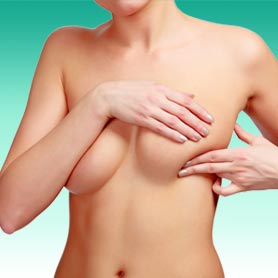

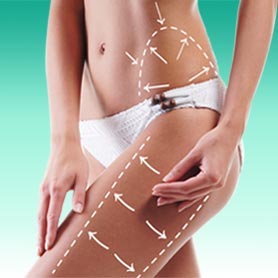
Breast surgery
This is the family of procedures most requested by patients in Switzerland, from Geneva to St. Gallen.Breast augmentation with implants or fat transfer restores volume to breasts considered too small or that have lost volume after pregnancy. A breast lift raises sagging breasts, with or without implants. Breast reduction relieves heavy breasts that cause back and shoulder pain, and is one of the few procedures that may, in certain documented cases, be covered by basic insurance in Switzerland. In men, gynecomastia surgery corrects excessive development of the mammary gland.
For a patient in Switzerland, the question of implants deserves particular attention: brand, model, batch number and implant card must be provided after the procedure so that any doctor in Switzerland can provide follow-up. In Switzerland, breast implants are medical devices subject to Swissmedic oversight; always ask your surgeon which brand and model they use, and why.
Facial surgery
Requests for the face vary greatly with age. Before 40, rhinoplasty, otoplasty (prominent ears) and genioplasty (chin) dominate. After 40, blepharoplasty rejuvenates the eyes and a facelift repositions the jawline and neck. For facelifts, we have devoted two guides to patients in Switzerland: facelift in Switzerland, canton by canton, and facelift prices in Switzerland compared city by city.
Body contouring surgery
Liposuction refines areas where fat resists exercise and diet. Atummy tuck tightens the abdominal skin and repairs abdominal muscles separated by pregnancy.Buttock augmentation by fat transfer reshapes the curves. A mommy makeover combines several of these procedures to correct the after-effects of pregnancy. These procedures generally require a slightly longer hospital stay and recovery than facial surgery, as well as wearing a compression garment for several weeks, which must be factored into your work and family arrangements.
Obesity surgery and post-weight-loss surgery
Sleeve gastrectomy and gastric bypass fall under bariatric surgery, which may be covered by basic insurance in Switzerland when strict medical criteria are met, in recognised centres. After significant weight loss, excess skin often leaves after-effects that only plastic surgery can correct: circumferential tummy tuck, thigh lift, arm or breast lift. These body reconstruction procedures are often scheduled in several stages.
Duration, hospital stay and recovery by procedure
The following table gives, for the procedures most requested in Switzerland, the usual operating time, the most common length of hospital stay, the indicative time off for office work and the point from which the result can be considered final. These are general guidelines: your surgeon will give you advice tailored to your situation.
| Procedure | Operating time | Usual hospital stay | Time off (office work) | Final result |
|---|---|---|---|---|
| Breast augmentation with implants | 1.5 to 2 hrs | Day surgery or 1 night | 5 to 10 days | 3 to 6 months |
| Breast lift (mastopexy) | 2 to 3 hrs | 1 night | 1 to 2 weeks | 6 to 12 months |
| Breast reduction | 2.5 to 3.5 hrs | 1 to 2 nights | 2 weeks | 6 to 12 months |
| Gynecomastia | 1 to 2 hrs | Day surgery | 5 to 7 days | 3 to 6 months |
| Rhinoplasty | 1.5 to 3 hrs | Day surgery or 1 night | 7 to 10 days | About 1 year |
| Blepharoplasty | 1 to 2 hrs | Day surgery | 7 to 10 days | About 3 months |
| Neck and face lift | 3 to 5 hrs | 1 night | 2 to 3 weeks | 6 to 12 months |
| Otoplasty | 1 to 2 hrs | Day surgery | About 1 week | About 3 months |
| Liposuction (one to three areas) | 1 to 3 hrs | Day surgery or 1 night | 5 to 10 days | 3 to 6 months |
| Tummy tuck | 2 to 3 hrs | 1 to 3 nights | 2 to 4 weeks | 6 to 12 months |
| Buttock augmentation (BBL) | 2 to 3 hrs | 1 night | About 2 weeks | About 6 months |
| Mommy makeover | 3 to 5 hrs | 2 to 3 nights | 3 to 4 weeks | 6 to 12 months |
| Circumferential tummy tuck (body lift) | 4 to 6 hrs | 2 to 4 nights | 4 to 6 weeks | About 1 year |
| Gastric sleeve | 1 to 2 hrs | 2 to 3 nights | 2 to 4 weeks | Weight loss over 12 to 18 months |
Cosmetic surgery in French-speaking Switzerland, German-speaking Switzerland and Ticino
Three languages, three regions, three ways of approaching cosmetic surgery. What happens in Lausanne is not quite the same as what happens in Zurich or Lugano.
French-speaking Switzerland: the Lake Geneva region and beyond
In French-speaking Switzerland, most provision is concentrated between Geneva and Lausanne, extending along La Côte (Nyon, Morges) and the Riviera (Vevey, Montreux). Geneva welcomes a large international clientele used to comparing practitioners, which keeps standards high. The further you get from the lake, the scarcer provision becomes: Neuchâtel, Fribourg and Sion have a few practitioners, Jura and the Valais valleys very few.
For French-speaking patients in outlying regions, the choice is often between a local practitioner, where one exists, and travelling to Lausanne or Geneva. Residents of Jura and the Bernese Jura also look to Biel/Bienne, Neuchâtel or Basel, depending on their municipality and habits.
German-speaking Switzerland: Zurich leads the way
Zurich is Switzerland's largest cosmetic surgery market, ahead of Basel, Bern, Lucerne and St. Gallen. Competition is strong and quality high, but fees are among the highest in the country and renowned practitioners have full diaries. In Central and Eastern Switzerland, several cantons have no resident plastic surgeon, and their residents consult in Zurich, Lucerne or St. Gallen.
German-speaking patients find comprehensive provision in their own language in these major centres. The German version of our website presents our content for German-speaking Switzerland.
Ticino: Lugano and the valleys
Ticino is in a unique situation. Lugano concentrates local provision, supplemented by a few practitioners in Locarno, Bellinzona and Mendrisio. Residents of the valleys, from the Leventina to the Valle Maggia, generally travel to Lugano or Bellinzona. Since the opening of the Ceneri Base Tunnel, connections between the Sopraceneri and the Sottoceneri have improved considerably, making consultations in Lugano easier from the north of the canton.
Graubünden: geography first
The only trilingual canton, Graubünden combines low population density with long distances. Chur has cantonal medical provision, but residents of Davos, the Engadine or the Italian-speaking valleys often travel several hours to see a plastic surgeon in Chur, Zurich or Ticino. For them, reducing the number of journeys, for example through an initial assessment based on photos, is a decisive practical advantage.
Aesthetic expectations that differ from one region to another
Surgeons who see patients from all over Switzerland notice nuances, which should be taken as trends rather than rules. Patients from the Lake Geneva region often arrive very well informed, with precise references to techniques and results. In German-speaking Switzerland, a request for discretion comes up frequently: a natural result that goes unnoticed is often the priority. In Ticino, Italian influence can be felt in the attention paid to facial harmony and an elegant figure. In every case, it is your own request, not a regional trend, that guides the surgical plan.
Waiting times, a factor to plan for
When patients in Switzerland explain why their project was delayed, price comes first, but waiting times follow closely. Getting a first consultation with a sought-after surgeon in Geneva or Zurich can take several weeks; getting a surgery date, several months. In regions where provision is scarce, the constraint of travel must be added. Planning ahead, contacting several practitioners and preparing your file in advance can save valuable time.
Major cities or medium-sized towns?
Having surgery in a major city offers the widest choice, but often at the cost of longer waiting times and higher fees. A medium-sized town such as Fribourg, Neuchâtel, Sion, St. Gallen, Chur, Biel/Bienne or Aarau can offer shorter waiting times and more moderate fees, with a narrower choice. There is no rule: a competent, available and attentive practitioner is worth more than a prestigious address.
To help you place your municipality, the comparison tool below reviews 71 cities in all 26 cantons, from Geneva to Chiasso and from Porrentruy to St. Moritz. For each one, it shows the provision available locally, the city where residents most often consult, the travel time by public transport, the trend in waiting times for a first consultation and the usual price difference compared with Geneva. These guidelines help you prepare your search before booking an appointment.
Cosmetic surgery in the 26 Swiss cantons
Where to consult, how much travel time to allow, which local specifics: a guide for each canton, from Geneva to Graubünden.
For each canton, we summarise the local provision, the cities residents usually turn to and the practical points for organising a procedure. These descriptions are general and apply to cosmetic surgery as a whole; for a specific procedure such as a facelift, our specialist guides go further.
Cosmetic surgery in Geneva
Geneva is one of the two major centres of cosmetic surgery in Switzerland. Private clinics on the Left Bank, practices in the centre and in Champel, an international clientele from all over the world: the choice is wide and the standard high, but fees are among the highest in the country. Residents of Carouge, Lancy, Vernier, Meyrin, Onex or Thônex have numerous practices less than half an hour away by public transport. The flip side of this reputation is demand: with the most sought-after practitioners, you often have to book several weeks in advance for a first consultation.
Cosmetic surgery in the canton of Vaud
Lausanne concentrates provision in Vaud, with several private clinics and renowned practices, supplemented by a few practitioners on the Riviera and La Côte. The CHUV provides university-level plastic surgery focused mainly on reconstruction. In northern Vaud, the Gros-de-Vaud, the Vaud Broye or the Vaud Alps, you will in practice need to go to Lausanne, half an hour by train from Yverdon and about three-quarters of an hour from Aigle. Patients from Nyon and Morges often hesitate between Lausanne and Geneva, which are equally distant.
Cosmetic surgery in Neuchâtel
The canton of Neuchâtel has limited provision, divided between the Lakeside and the Mountains. Many patients from La Chaux-de-Fonds, Le Locle or the Val-de-Travers consult in Neuchâtel, Lausanne or Bern. The Jura winter makes repeated journeys more of a burden: grouping appointments, for example by combining the consultation and check-up on the same day, simplifies the project. The CHUV and the Inselspital remain the nearest university reference centres.
Cosmetic surgery in Jura
The canton of Jura, which welcomed Moutier at the beginning of 2026, has virtually no cosmetic surgery provision. Residents of Delémont, Porrentruy, Moutier or the Franches-Montagnes consult in Basel, Biel/Bienne or Neuchâtel. From Delémont, Basel is about half an hour by train and Biel/Bienne slightly more. For residents of Ajoie, Basel is often the most accessible centre.
Cosmetic surgery in Fribourg
A bilingual canton, Fribourg has a few practitioners in the city, but many patients consult in Lausanne or Bern, each about half an hour away by train. Residents of Gruyère in Bulle, of the Broye in Estavayer or German speakers from the Sense district often choose according to their language: Lausanne for French speakers, Bern for German speakers. HFR, the Fribourg hospital, covers the canton's routine hospital needs.
Cosmetic surgery in Valais
Valais stretches from Lake Geneva to the Rhône Glacier, with two language regions and few resident plastic surgeons. In French-speaking Valais (Monthey, Martigny, Sion, Sierre), patients turn to Sion, Lausanne or Geneva; in Upper Valais (Visp, Brig), to Bern, about an hour from Visp thanks to the Lötschberg Base Tunnel. Residents of resorts such as Verbier, Crans-Montana, Zermatt or Saas-Fee have the added constraint of mountain roads, especially in winter.
Cosmetic surgery in the canton of Bern
The city of Bern offers a solid choice of practitioners and the Inselspital a university plastic surgery department. Biel/Bienne, a bilingual city, also has its own provision, useful for French speakers in the Bernese Jura (Saint-Imier, Tramelan, Tavannes). Thun, Burgdorf, Langenthal or the Oberland have more limited provision. From Interlaken or the Bernese Oberland, Bern is less than an hour by train, making it the natural place to consult for a large part of the canton.
Cosmetic surgery in Zurich
Zurich is Switzerland's leading cosmetic surgery hub, with a density of practices and clinics unmatched in the country, from the Bahnhofstrasse to the Gold Coast. Winterthur, Uster and Dübendorf complete the cantonal provision. Abundance does not prevent high fees or waiting lists with the most sought-after practitioners. Zurich's S-Bahn network puts most municipalities in the canton less than forty minutes from the city centre.
Cosmetic surgery in Lucerne
Lucerne is the medical centre of Central Switzerland. Its cantonal hospital and private clinics serve patients from the canton and its neighbours, from Uri to Obwalden. A few plastic surgeons practise there, with fees often slightly lower than in Zurich. Emmen, Kriens and Horw are a few minutes from the centre; from Sursee or Willisau, allow half an hour to three-quarters of an hour.
Cosmetic surgery in Uri
Uri, the canton of the Gotthard, has no cosmetic surgery provision. Residents of Altdorf, Erstfeld or Andermatt consult in Lucerne, Zug or Zurich. Each consultation means a trip of at least half a day. Reducing these journeys through a prior photo-based review of the file is particularly appreciated by patients from Uri.
Cosmetic surgery in Schwyz
The canton of Schwyz looks in two directions: the north, on the shores of Lake Zurich (Pfäffikon, Freienbach, Lachen, Wollerau), lives at Zurich's pace; the south (Schwyz, Brunnen, Küssnacht, Einsiedeln) looks towards Lucerne. Local provision remains limited, and patients choose between these two major centres depending on their municipality and habits.
Cosmetic surgery in Obwalden
In Sarnen, Kerns, Alpnach, Giswil or Engelberg, the cantonal hospital provides basic care, but cosmetic surgery takes place elsewhere, mainly in Lucerne, about twenty minutes from Sarnen. Patients from Engelberg, a busy mountain resort, should allow about three-quarters of an hour by train to Lucerne.
Cosmetic surgery in Nidwalden
Nidwalden, whose capital is Stans, is closely linked to Lucerne, about fifteen minutes away. That is where most residents consult a plastic surgeon. The canton illustrates a common profile in Central Switzerland: no local provision, but a very accessible major centre.
Cosmetic surgery in Glarus
The canton of Glarus, made up of steep-sided valleys, has no specialist provision. Glarus residents consult in Zurich, about an hour away by train, or in St. Gallen. From Elm, Linthal or Braunwald, journeys are longer, especially in winter, and the usual route to the major centres is via Ziegelbrücke.
Cosmetic surgery in Zug
Zug, one of the most prosperous cantons in the country, has a dynamic aesthetic medicine offering, especially for non-surgical treatments, with a large international clientele in Zug and Baar. For surgical procedures, many Zug residents also consult in Zurich, about twenty-five minutes away by train, or in Lucerne.
Cosmetic surgery in Solothurn
The canton of Solothurn, split into several regions, is organised around Solothurn, Olten and Grenchen. Local provision is limited, but the Olten rail hub puts Bern, Basel, Lucerne and Zurich less than an hour away. It is an ideal canton for comparing several consultations in different cities before deciding.
Cosmetic surgery in Basel-Stadt
Basel combines extensive provision, a renowned university hospital and patients from across the region. Practices in Greater Basel and Lesser Basel are a few minutes by tram from Riehen or Bettingen. Fees in Basel are generally slightly lower than in Geneva and Zurich, for comparable provision.
Cosmetic surgery in Basel-Landschaft
Residents of Liestal, Allschwil, Reinach, Muttenz, Pratteln or Binningen naturally consult in Basel, less than half an hour away. In the Laufental or the upper Ergolz valley, the journey is slightly longer. The canton enjoys some of the best access to dense specialist provision in Switzerland.
Cosmetic surgery in Schaffhausen
North of the Rhine, Schaffhausen has limited local provision; patients consult in Zurich or Winterthur, about forty minutes away by train. The proximity of Winterthur, more affordable than Zurich, makes it a popular alternative for Schaffhausen residents.
Cosmetic surgery in Appenzell Ausserrhoden
In Herisau, Teufen, Speicher or Heiden, very little cosmetic surgery is performed; St. Gallen, a few minutes away, is the regional reference. In this rural canton where discretion matters, many patients actually prefer to consult outside their municipality, in St. Gallen or Zurich.
Cosmetic surgery in Appenzell Innerrhoden
Switzerland's smallest canton by population has no specialist provision. Residents of Appenzell, Gonten or Oberegg consult in St. Gallen, about forty-five minutes away, or in Zurich. Here too, discretion is among the most frequently expressed concerns.
Cosmetic surgery in St. Gallen
St. Gallen is the medical centre of Eastern Switzerland, with a major cantonal hospital and several plastic surgeons in the city and the Rhine Valley. Rapperswil-Jona, on Lake Zurich, and Wil readily turn to Zurich. Fees in St. Gallen are among the most moderate of Switzerland's major cities.
Cosmetic surgery in Graubünden
Chur concentrates the medical provision of a vast, trilingual and sparsely populated canton. Residents of Davos, Klosters, St. Moritz, Pontresina, Scuol or the Italian-speaking valleys travel long distances to consult, in Chur, Zurich or Ticino. From the Upper Engadine, Chur is about two hours by train and Zurich more than three hours. Grouping appointments is essential here.
Cosmetic surgery in Aargau
A densely populated canton without a major city, Aargau is organised around Aarau, Baden, Wettingen, Wohlen, Brugg and Rheinfelden. Local provision exists in Aarau and Baden, and Zurich is very close: about twenty minutes from Baden. The west of the canton, around Rheinfelden, also looks to Basel.
Cosmetic surgery in Thurgau
Along Lake Constance, Thurgau (Frauenfeld, Kreuzlingen, Arbon, Amriswil, Weinfelden) has little specialist provision. Thurgau residents consult in St. Gallen, Winterthur or Zurich. From Frauenfeld, Winterthur is about a quarter of an hour by train.
Cosmetic surgery in Ticino
Lugano concentrates provision in Ticino, followed by Locarno, Bellinzona and Mendrisio. The Ente Ospedaliero Cantonale provides hospital coverage for the canton. Residents of the Mendrisiotto, Luganese and Locarnese areas can find a practitioner less than half an hour away; those in the upper valleys need to allow more time. Consultations are held in Italian, and some practitioners also see patients in French or German.
Comparison tool: cosmetic surgery in 71 Swiss cities
Local provision, where to consult, travel time, waiting times and price differences: an overview to place your city.
The table below compares 71 Swiss cities. The "travel" column shows the indicative time by public transport to the usual consultation centre; it is empty when provision is local. The indicative waiting time describes the trend for getting a first consultation with a plastic surgeon. The price difference is expressed relative to Geneva, one of the most expensive cities in the country, for cosmetic surgery procedures as a whole, taking into account the city where residents actually consult. These figures are indicative estimates ; they vary according to the procedure and the practitioner, and do not replace a quote.
Language key: FR French, DE German, IT Italian, RM Romansh. Local provision: "very dense" means a wide choice of plastic surgeons locally; "very limited" means you almost always need to consult in another city.
| City | Canton | Language | Local provision | Where people consult | Indicative travel time | Waiting time for a consultation | Price difference vs Geneva |
|---|---|---|---|---|---|---|---|
| Geneva | GE | FR | Very dense | Local | — | Often several weeks with the most sought-after | Reference level |
| Carouge | GE | FR | Very dense | Geneva | 10 to 15 min | Often several weeks with the most sought-after | 0 to 5% cheaper |
| Lancy | GE | FR | Very dense | Geneva | 10 to 20 min | Often several weeks with the most sought-after | 0 to 5% cheaper |
| Vernier | GE | FR | Very dense | Geneva | 15 to 20 min | Often several weeks with the most sought-after | 0 to 5% cheaper |
| Meyrin | GE | FR | Very dense | Geneva | 20 min | Often several weeks with the most sought-after | 0 to 5% cheaper |
| Thônex | GE | FR | Very dense | Geneva | 15 min | Often several weeks with the most sought-after | 0 to 5% cheaper |
| Lausanne | VD | FR | Dense | Local | — | Often a few weeks | 5 to 10% cheaper |
| Renens | VD | FR | Dense | Lausanne | 10 min | Often a few weeks | 5 to 10% cheaper |
| Nyon | VD | FR | Moderate | Geneva or Lausanne | 15 to 30 min | Variable, sometimes shorter | 5 to 10% cheaper |
| Morges | VD | FR | Moderate | Lausanne | 10 to 15 min | Variable, sometimes shorter | 5 to 10% cheaper |
| Vevey | VD | FR | Moderate | Local or Lausanne | 15 min | Variable, sometimes shorter | 5 to 15% cheaper |
| Montreux | VD | FR | Moderate | Local or Lausanne | 20 to 25 min | Variable, sometimes shorter | 5 to 15% cheaper |
| Yverdon-les-Bains | VD | FR | Limited | Lausanne | 25 to 35 min | Depends on chosen centre | 5 to 15% cheaper |
| Aigle | VD | FR | Limited | Lausanne | 30 to 45 min | Depends on chosen centre | 5 to 15% cheaper |
| Neuchâtel | NE | FR | Moderate | Local or Lausanne | — | Variable, sometimes shorter | 10 to 20% cheaper |
| La Chaux-de-Fonds | NE | FR | Limited | Neuchâtel, Bern | 30 min to 1 hr 15 | Depends on chosen centre | 10 to 20% cheaper |
| Le Locle | NE | FR | Limited | Neuchâtel | 40 min | Depends on chosen centre | 10 to 20% cheaper |
| Delémont | JU | FR | Very limited | Basel, Biel/Bienne | 30 to 45 min | Depends on chosen centre | 5 to 20% cheaper |
| Porrentruy | JU | FR | Very limited | Basel | 50 min to 1 hr | Depends on chosen centre | 5 to 20% cheaper |
| Moutier | JU | FR | Very limited | Biel/Bienne, Bern | 20 to 50 min | Depends on chosen centre | 5 to 20% cheaper |
| Fribourg | FR | FR / DE | Moderate | Local, Lausanne, Bern | 20 to 45 min | Variable, sometimes shorter | 10 to 20% cheaper |
| Bulle | FR | FR | Limited | Fribourg, Lausanne | 30 min to 1 hr | Depends on chosen centre | 10 to 20% cheaper |
| Sion | VS | FR | Moderate | Local or Lausanne | 1 hr to Lausanne | Variable, sometimes shorter | 10 to 20% cheaper |
| Martigny | VS | FR | Limited | Sion, Lausanne | 15 to 50 min | Depends on chosen centre | 10 to 20% cheaper |
| Monthey | VS | FR | Limited | Lausanne | 45 min to 1 hr | Depends on chosen centre | 10 to 20% cheaper |
| Sierre | VS | FR | Limited | Sion, Lausanne | 10 min to 1 hr 15 | Depends on chosen centre | 10 to 20% cheaper |
| Brig | VS | DE | Limited | Bern | 1 hr to 1 hr 15 | Depends on chosen centre | 10 to 15% cheaper |
| Bern | BE | DE | Dense | Local | — | Often a few weeks | 10 to 15% cheaper |
| Biel/Bienne | BE | DE / FR | Moderate | Local or Bern | 25 min | Variable, sometimes shorter | 10 to 20% cheaper |
| Thun | BE | DE | Moderate | Bern | 20 min | Variable, sometimes shorter | 10 to 15% cheaper |
| Saint-Imier | BE | FR | Limited | Biel/Bienne, Neuchâtel | 30 to 45 min | Depends on chosen centre | 10 to 20% cheaper |
| Zurich | ZH | DE | Very dense | Local | — | Often several weeks with the most sought-after | 0 to 5% cheaper |
| Winterthur | ZH | DE | Dense | Local or Zurich | 20 min | Often a few weeks | 5 to 10% cheaper |
| Uster | ZH | DE | Dense | Zurich | 15 to 20 min | Often a few weeks | 0 to 10% cheaper |
| Lucerne | LU | DE | Dense | Local | — | Often a few weeks | 10 to 15% cheaper |
| Emmen | LU | DE | Dense | Lucerne | 10 min | Often a few weeks | 10 to 15% cheaper |
| Altdorf | UR | DE | Very limited | Lucerne or Zurich | 45 min to 1 hr 15 | Depends on chosen centre | 0 to 15% cheaper |
| Schwyz | SZ | DE | Limited | Lucerne or Zurich | 40 min to 1 hr | Depends on chosen centre | 0 to 15% cheaper |
| Pfäffikon SZ | SZ | DE | Limited | Zurich | 25 to 30 min | Depends on chosen centre | 0 to 5% cheaper |
| Einsiedeln | SZ | DE | Very limited | Zurich or Lucerne | 1 hr | Depends on chosen centre | 0 to 15% cheaper |
| Sarnen | OW | DE | Very limited | Lucerne | 20 min | Depends on chosen centre | 10 to 15% cheaper |
| Stans | NW | DE | Very limited | Lucerne | 15 min | Depends on chosen centre | 10 to 15% cheaper |
| Glarus | GL | DE | Very limited | Zurich or St. Gallen | 1 hr | Depends on chosen centre | 0 to 20% cheaper |
| Zug | ZG | DE | Moderate | Local or Zurich | 25 min to Zurich | Variable, sometimes shorter | 0 to 10% cheaper |
| Baar | ZG | DE | Moderate | Zug or Zurich | 5 to 30 min | Variable, sometimes shorter | 0 to 10% cheaper |
| Solothurn | SO | DE | Limited | Bern, Basel | 20 min to 1 hr | Depends on chosen centre | 10 to 20% cheaper |
| Olten | SO | DE | Limited | Bern, Basel, Zurich | 25 to 40 min | Depends on chosen centre | 5 to 20% cheaper |
| Grenchen | SO | DE | Limited | Bern, Biel/Bienne | 10 to 45 min | Depends on chosen centre | 10 to 20% cheaper |
| Basel | BS | DE | Dense | Local | — | Often a few weeks | 5 to 15% cheaper |
| Riehen | BS | DE | Dense | Basel | 15 min | Often a few weeks | 5 to 15% cheaper |
| Liestal | BL | DE | Moderate | Basel | 10 to 15 min | Variable, sometimes shorter | 5 to 15% cheaper |
| Allschwil | BL | DE | Dense | Basel | 15 min | Often a few weeks | 5 to 15% cheaper |
| Schaffhausen | SH | DE | Limited | Zurich, Winterthur | 25 to 40 min | Depends on chosen centre | 0 to 10% cheaper |
| Herisau | AR | DE | Very limited | St. Gallen | 10 min | Depends on chosen centre | 15 to 20% cheaper |
| Appenzell | AI | DE | Very limited | St. Gallen or Zurich | 45 min to 1 hr 45 | Depends on chosen centre | 0 to 20% cheaper |
| St. Gallen | SG | DE | Moderate | Local | — | Variable, sometimes shorter | 15 to 20% cheaper |
| Rapperswil-Jona | SG | DE | Moderate | Zurich | 35 min | Variable, sometimes shorter | 0 to 10% cheaper |
| Wil | SG | DE | Limited | St. Gallen, Winterthur | 20 to 30 min | Depends on chosen centre | 10 to 20% cheaper |
| Chur | GR | DE | Moderate | Local or Zurich | 1 hr 15 to Zurich | Variable, sometimes shorter | 15 to 20% cheaper |
| Davos | GR | DE | Limited | Chur or Zurich | 1 hr 15 to 2 hrs 30 | Depends on chosen centre | 0 to 20% cheaper |
| St. Moritz | GR | DE / RM / IT | Limited | Chur, Zurich or Lugano | 2 hrs to 3 hrs 30 | Depends on chosen centre | 0 to 20% cheaper |
| Aarau | AG | DE | Moderate | Local or Zurich | 25 min to Zurich | Variable, sometimes shorter | 10 to 20% cheaper |
| Baden | AG | DE | Moderate | Local or Zurich | 15 to 20 min | Variable, sometimes shorter | 5 to 15% cheaper |
| Wettingen | AG | DE | Moderate | Baden or Zurich | 5 to 25 min | Variable, sometimes shorter | 5 to 15% cheaper |
| Frauenfeld | TG | DE | Limited | Winterthur, Zurich, St. Gallen | 15 to 45 min | Depends on chosen centre | 0 to 20% cheaper |
| Kreuzlingen | TG | DE | Limited | St. Gallen | 45 min | Depends on chosen centre | 15 to 20% cheaper |
| Lugano | TI | IT | Moderate | Local | — | Variable, sometimes shorter | 10 to 15% cheaper |
| Bellinzona | TI | IT | Limited | Lugano | 15 to 20 min | Depends on chosen centre | 10 to 15% cheaper |
| Locarno | TI | IT | Limited | Lugano | 30 to 40 min | Depends on chosen centre | 10 to 15% cheaper |
| Mendrisio | TI | IT | Limited | Lugano | 15 min | Depends on chosen centre | 10 to 15% cheaper |
| Chiasso | TI | IT | Limited | Lugano | 20 min | Depends on chosen centre | 10 to 15% cheaper |
Switzerland's major centres compared
| City | Patient catchment area | Density of provision | Consultation language | Price difference vs Geneva |
|---|---|---|---|---|
| Geneva | Canton, Nyon, international clientele | Very dense | French, English | Reference |
| Zurich | Canton, northern Schwyz, Zug, Schaffhausen, eastern Aargau | Very dense | German, English | Comparable (0 to 5%) |
| Lausanne | Vaud, Fribourg, French-speaking Valais, Neuchâtel | Dense | French | 5 to 10% cheaper |
| Basel | Basel-Landschaft, Jura, Solothurn, western Aargau | Dense | German | 5 to 15% cheaper |
| Bern | Canton, Upper Valais, German-speaking Fribourg, Solothurn | Dense | German (French in Biel/Bienne) | 10 to 15% cheaper |
| Lucerne | Central Switzerland: Uri, Obwalden, Nidwalden, southern Schwyz | Dense | German | 10 to 15% cheaper |
| St. Gallen | Eastern Switzerland, Appenzell, Thurgau | Moderate | German | 15 to 20% cheaper |
| Lugano | Ticino, Italian-speaking valleys of Graubünden | Moderate | Italian | 10 to 15% cheaper |
What this comparison tool does not tell you
A price difference or a shorter waiting time says nothing about a surgeon's competence. A practitioner in a medium-sized town may be highly experienced, and a prestigious practice in a major city may not suit your case. Use these guidelines to direct your search, then judge on the evidence: qualifications, experience with the procedure you are interested in, clarity of explanations, quality of the quote and organisation of follow-up.
Practice, private clinic or hospital: where should you have surgery in Switzerland?
In Switzerland, a cosmetic procedure can take place in several types of facility. Each has its own logic, advantages and limitations.
| Criterion | Accredited in-office operating theatre | Private clinic | Public or university hospital |
|---|---|---|---|
| Suitable procedures | Short procedures, often under local anaesthesia: eyelids, ears, small liposuctions | All cosmetic surgery, including long procedures | Mainly reconstructive surgery and complex cases |
| Hospital stay | Day surgery | Day surgery or one to several nights | Depending on indication |
| Price level | Often the most moderate | Varies with the facility's standing | Private fees for cosmetic procedures |
| Waiting times | Often short | Variable | Priority given to medical cases |
| Points to check | Theatre accreditation, presence of an anaesthetist if sedation is used | Anaesthesia team, overnight monitoring, room | Access for purely cosmetic procedures often limited |
The in-office operating theatre
Many Swiss plastic surgeons have an accredited operating theatre in their practice. It is suitable for short procedures performed under local anaesthesia or light sedation: blepharoplasty, otoplasty, small liposuctions and some scar revisions. It is often the most economical option and the quickest to arrange. For any longer procedure or one under general anaesthesia, a clinic equipped with a recovery room and hospital-level monitoring is preferable.
The private clinic
This is where the vast majority of cosmetic procedures take place in Switzerland. Private clinics offer fully equipped operating theatres, an anaesthesia team, a recovery room and rooms for overnight monitoring. Their standing varies widely, from functional facilities to high-end clinics with hotel services, and this is reflected in their fees. The level of safety depends on equipment and teams, not on the comfort of the rooms.
The public or university hospital
The HUG in Geneva, the CHUV in Lausanne, the Inselspital in Bern, the university hospitals of Zurich and Basel and the major cantonal hospitals have plastic surgery departments of the very highest standard. They focus primarily on reconstruction, complex cases and training. For a purely cosmetic procedure, access is often limited; they remain, however, the reference for particular medical situations.
How to choose?
The choice of facility largely follows from the choice of surgeon, who generally operates in one or two specific facilities. Ask them at the first consultation: where the procedure will take place, with what type of anaesthesia, how many nights of monitoring are planned and who will look after you during that time. These answers matter as much as the price.
Medespoir Suisse: a medical opinion to help you see clearly
For many years, Medespoir Suisse has supported patients who are considering cosmetic surgery in Switzerland, whether they live here or travel from abroad. Our starting point is simple: many people put off their project for lack of clear information, budget visibility or time to attend multiple consultations. We offer them a free pre-assessment of their file by a surgeon, a detailed quote and a single point of contact to answer their questions.
You can reach us from any canton, or from abroad, using the form on this page. An advisor handles your request and remains your contact from the first message to the last check-up. She helps you build a realistic schedule that fits around your work, your holidays and your family life. For patients travelling from abroad, she also coordinates appointments with the surgeon and helps you organise accommodation, transfers and the length of your stay.
What we do not do: propose a procedure without reviewing the file, play down the risks, promise a guaranteed result or push you to decide quickly. When safety conditions are not met, we say so, and we prefer to postpone a procedure rather than rush it.
Coming from abroad: cosmetic surgery in Switzerland for international patients
Every year, patients from Europe, the Middle East, Africa, the Americas and Asia choose Switzerland for a cosmetic procedure. Their project requires the same medical rigour as for a Swiss resident, plus a few points of organisation that are specific to travelling.
Why international patients choose Switzerland
Patients who come from abroad are rarely looking for the lowest price: Switzerland is among the most expensive countries in the world for cosmetic surgery. They come for other reasons: surgeons trained to a high federal standard, whose title can be checked in a public register; clinics subject to cantonal supervision; a culture of discretion; consultations possible in French, German, Italian and English; excellent air and rail connections; and the possibility of recovering in a calm setting, by a lake or in the mountains. For a procedure that you will live with for years, these criteria often count for more than the price difference.
This choice also has its constraints: a significant budget, often several weeks' wait for the most sought-after surgeons, and a stay long enough to cover the first post-operative check-ups. A good project takes them into account from the outset.
Which Swiss city, depending on where you are travelling from
| Travelling from | Often the most practical city | Usual language of consultation |
|---|---|---|
| France, Belgium, French-speaking Africa, North Africa | Geneva, Lausanne | French |
| Germany, Austria, Northern and Eastern Europe | Zurich, Basel | German, English |
| Middle East and the Gulf | Geneva or Zurich | English, French; interpreter on request |
| United Kingdom, North America | Zurich, Geneva | English |
| Asia | Zurich | English; interpreter on request |
| Italy | Lugano (via Milan Malpensa) | Italian |
Geneva, Zurich and Basel-Mulhouse airports connect Switzerland with most major capitals, and the rail network makes it easy to reach Lausanne, Bern, Lucerne or Lugano within a few hours. The choice of city also depends on the surgeon's experience with the procedure you are considering: it is better to travel a little further within Switzerland than to compromise on that point.
How long to stay in Switzerland
The length of your stay is set by the surgeon, not by your flight. It must cover the operation, the first post-operative check-up and, depending on the procedure, the removal of stitches or a splint, while limiting the risk of thrombosis associated with a long flight shortly after surgery. The durations below are indicative only.
| Procedure | Indicative stay after surgery | Why |
|---|---|---|
| Blepharoplasty, otoplasty | About 7 days | Check-up and removal of stitches |
| Rhinoplasty | 7 to 10 days | Removal of the splint, initial swelling |
| Breast augmentation, breast lift, breast reduction | 7 to 10 days | Wound check, drains if any |
| Liposuction | 7 to 10 days | Compression garment, thrombosis prevention |
| Facelift, neck and face lift | 10 to 14 days | Removal of stitches, monitoring for haematoma |
| Tummy tuck, combined procedures | 10 to 14 days | Longer operation, higher risk of thrombosis |
| Obesity surgery | Generally 10 to 14 days | Hospital stay, start of the dietary transition |
Add one or two days before the operation for the consultation and pre-operative tests, and, for long-haul flights, time to recover from jet lag. On the flight home, wear compression stockings if they are prescribed, walk regularly in the aisle and drink plenty of water.
Entry into Switzerland and travel documents
Switzerland is part of the Schengen area. Depending on your nationality, you may need a visa: in that case, apply several weeks in advance and keep the documents from the clinic confirming your appointments, the planned length of stay and the arrangements for payment. Bring a valid passport, the list of your treatments with their active ingredients, your recent medical reports translated into English, French or German, and enough of your usual medication for the whole stay.
Quote, payment and insurance from abroad
Quotes are drawn up in Swiss francs and, for purely cosmetic procedures, include Swiss VAT at 8.1%, whatever your country of residence. A deposit is usually requested when the date is booked. Before signing, check what the quote covers: surgeon's fees, anaesthesia, clinic, nights in hospital, implants, compression garments and post-operative check-ups during your stay.
Your national health insurance and the European Health Insurance Card do not cover planned cosmetic surgery abroad, and most travel insurance policies exclude complications of a planned procedure. Ask the clinic about specific complications insurance, read its terms carefully and keep your insurer's written answer with your travel documents.
Accommodation and companion
After the hospital stay, most patients spend their recovery in a hotel or serviced apartment close to the clinic, so that check-ups are easy to attend. Being accompanied is strongly recommended, at least for the first few days: a relative can help you with everyday tasks and with the journey home. Choose accommodation with a lift, close to a pharmacy, and plan simple meals.
Follow-up once you are back home
The surgeon remains responsible for your follow-up after your return. In practice, it is organised remotely, by photos and video consultation, at the key stages of healing, with an in-person check-up in Switzerland if necessary. Inform your doctor at home before leaving and give them your documents on your return: the operative report, the discharge report, the prescriptions and, where applicable, the implant card. Ask for a written plan stating who to contact in the event of fever, pain or unusual swelling, and in which language.
What Medespoir does for international patients: a free remote pre-assessment of your file by a surgeon, a detailed quote, coordination of appointments with the Swiss surgeon, help with organising your accommodation, transfers and length of stay, and a single point of contact in your language before, during and after the trip. Medical decisions remain the responsibility of the surgeon.
The price of cosmetic surgery in Switzerland, city by city
No made-up prices: relative differences between Swiss cities, for an honest basis of comparison.
There is no official fee schedule for cosmetic surgery in Switzerland. Each surgeon sets their fees freely, and the same procedure can vary by more than 30% between two practices in the same city. Rather than showing amounts that would be wrong for most patients, we present percentage differences, which provide a sound basis for reasoning. Your personal quote, prepared after reviewing your file, then gives the exact amount.
Differences between Swiss cities
Geneva and Zurich are at the top of the scale, with little difference between them. Zug comes close for some practices. Lausanne, Basel, Bern, Lucerne and Lugano are generally 5 to 15% cheaper than Geneva. Medium-sized towns such as Fribourg, Neuchâtel, Sion, St. Gallen, Chur or Aarau often have fees 10 to 20% lower. These differences mainly reflect the cost of rents and salaries and local competition. They remain limited, because standards, insurance and healthcare salaries are relatively uniform across the country.
The items that make up a price
| Item | Indicative share of total | Point to watch |
|---|---|---|
| Surgeon's fees | 40 to 50% | Vary with experience and reputation |
| Clinic (theatre, room, nursing care) | 25 to 35% | An extra night can add significantly |
| Anaesthesia | 10 to 15% | Sometimes invoiced separately from the quote |
| Initial consultation | Low | Often charged, sometimes deducted later |
| Tests, medication, compression garment | 2 to 5% | Rarely included in the advertised price |
| VAT | 8,1 % | Applicable to purely cosmetic procedures |
Factors that affect the bill
The extent of the procedure, any combined procedures, the chosen technique, the surgeon's experience, the type of facility, the number of nights in hospital and your medical profile are the main factors of variation. The neighbourhood also counts: a practice in a prestigious business district of Geneva or Zurich often charges higher fees than one on the outskirts. For residents of cantons without local provision, the cost of travel must be added, and possibly hotel nights and extra days off work.
Several procedures, one anaesthetic
Combining two compatible procedures under the same anaesthesia (for example a tummy tuck and liposuction, or blepharoplasty and a facelift) means theatre, anaesthesia and hospital costs are shared, reducing the cost of each procedure by 20 to 40% compared with two separate operations. These combinations only make sense if they are medically reasonable: the surgeon decides, based on your health and the total duration of the procedure.
Going further, procedure by procedure
Our budget pages detail the differences city by city for each procedure. The first one available covers the price of a facelift in Switzerland, with a comparison of 57 cities and all 26 cantons.
How to read the price differences on this page
In the interests of transparency, here is how the ranges presented here are built. In Switzerland there is neither an official fee schedule for cosmetic surgery nor a public database listing the prices charged. The differences between cities are therefore based on structural indicators, such as differences in the cost of living, commercial rents and concentration of provision, and on the Swiss quotes that our patients send us when comparing their options.
The ranges are expressed relative to Geneva, taken as the reference level because it is among the most expensive cities in the country. They take into account the city where residents of each municipality actually consult: a resident of Uri, for example, in practice pays Lucerne or Zurich fees, plus their travel costs.
These estimates are intended to guide your thinking. They constitute neither an offer nor a price commitment. Only your personalised quote, prepared after reviewing your file, is binding. If you already have a quote, send it to us: we will help you go through it item by item.
Insurance, LAMal and taxation: what patients need to know
General rules, always to be confirmed with your own insurer. We are not insurance advisers.
Basic insurance (LAMal)
A purely cosmetic procedure is not reimbursed. Some procedures may be when they meet a documented medical indication (breast reduction with functional problems, excess skin with skin complications after massive weight loss, reconstruction after an accident or cancer), always after a prior cost approval request and the opinion of the insurer's medical adviser.
Supplementary insurance
Governed by the Insurance Contract Act, the vast majority of supplementary policies exclude cosmetic surgery. A few policies provide limited contributions, rarely significant. Read your general terms and conditions and ask the question in writing.
Complications insurance
Some clinics and insurers offer specific policies covering complications of cosmetic surgery for a fixed period. Their cover and exclusions vary widely: read them carefully before taking one out.
Taxes
Medical expenses are deductible under certain conditions, but purely cosmetic procedures are generally excluded by cantonal tax authorities. The rules vary from canton to canton; check with your tax authority or a fiduciary.
If you live abroad
LAMal does not apply to you. Your national insurance and the European Health Insurance Card do not cover planned cosmetic surgery in Switzerland, and travel insurance generally excludes complications of a planned procedure. Ask about complications insurance before the operation and check with your insurer, in writing, how any follow-up care at home would be covered.
Whatever your situation, ask for the operative report after the procedure and, where applicable, your implant card. These documents are useful to your GP in Switzerland and for any subsequent dealings with an insurer.
Your journey in Switzerland, from first idea to last check-up
Whether you live in Sion, Olten, Chur or Bellinzona, or are travelling from abroad, the steps of a well-managed project are the same. International patients will find the specific points on travel and length of stay in the section dedicated to them.
-
1. Clarify your request
Write down what bothers you, in your own words, and what you expect. Gather your medical history, your treatments and, if you wish, a few photos. This preparation makes each consultation more useful.
-
2. Get a first opinion
A file-based pre-assessment, such as the one offered by Medespoir Suisse, lets you find out quickly whether your project is realistic, which technique might be considered and what budget to plan for, without multiplying journeys.
-
3. Consult one or more surgeons
The clinical examination is essential. Depending on your canton, it takes place locally or in the nearest major centre. Consulting two practitioners allows you to compare approaches, explanations and quotes.
-
4. Receive and compare quotes
A reliable quote states the surgeon's name, the facility, the technique, the type of anaesthesia, the length of hospital stay and an itemised breakdown. Compare them like for like, including taxes.
-
5. Take time to reflect
A cooling-off period between the quote and the procedure is good practice. Use it to talk to your family doctor and those close to you, and to organise your time off.
-
6. The pre-operative check-up
Your family doctor or a laboratory in your region carries out the required tests. The anaesthetist reviews them before confirming the date.
-
7. The procedure and monitoring
You are operated on in the facility chosen by your surgeon, then monitored in the recovery room and, depending on the procedure, for one or more nights.
-
8. Recovery and follow-up
You recover at home, with written instructions. Check-ups take place at the surgeon's practice at key stages, and your family doctor can take over for local care.
What your family doctor can do for you
The Swiss healthcare system relies heavily on the family doctor, who is a valuable ally for any cosmetic surgery project. Let them know before the procedure: they know your medical history, can prescribe the pre-operative check-up, adjust a treatment (blood pressure, anticoagulants, diabetes) and take over after the operation to remove stitches or check a scar. Give them the operative report. If you do not have a family doctor, a medical centre in your town or a walk-in clinic can provide these simple services.
The journey home from the clinic
If you have surgery far from home, for example in Zurich while living in Graubünden, or in Lausanne while living in Valais, plan your journey home: do not drive yourself, arrange for someone to accompany you, and on long train journeys take breaks to walk around. After body contouring surgery, the compression garment is also worn during the journey. Some patients from remote regions prefer to spend one or two nights near the clinic before going home.
The first few days at home
The first few days are for resting. Prepare easy meals and loose clothing in advance, and keep what you will need within reach. Short walks are encouraged to promote circulation. If you live alone, arrange a visit from a relative or friend or from a home nurse, which your doctor can prescribe if necessary. Follow the instructions on wound care and on wearing the compression garment or support bra to the letter, and do not hesitate to call the practice if you have the slightest doubt.
After a few days, you will generally feel much better. The first check-up with your surgeon is used to check healing, remove whatever needs removing and give you the timetable for resuming activities: work, sport, sun.
Preparing well for your first consultation with a plastic surgeon
A consultation needs preparation. Well prepared, it saves you time, and sometimes a second consultation.
What to bring
A list of your treatments with dosages, including food supplements and herbal remedies; your medical and surgical history, in particular any procedures already carried out on the area concerned; previous operative reports if you have them; your implant card if you have implants; and, for post-weight-loss surgery, your weight history and the date of any bariatric surgery.
What the surgeon will examine
They will ask about your expectations, your medical history and your lifestyle: smoking, sport, plans for pregnancy, weight fluctuations. They will then examine the area concerned, assess skin quality, the amount of excess fat or skin and symmetry, and take photos under standardised conditions. They will explain the possible technique or techniques, with their advantages, limitations and risks.
Questions to ask
Which technique do you recommend for me, and why this one? How many times a year do you perform this procedure? Where will the procedure take place, under what anaesthesia, with how many nights of monitoring? Where will the scars be? How long should I allow before returning to work and sport? What happens if there is a complication? Is a revision included, and under what conditions? Write down the answers: they will help you compare.
Expressing clearly what you want
It is often difficult to put into words what bothers you. Describe what you see in the mirror and what you would like to change, rather than quoting the name of a technique. Photos of yourself at a younger age or examples of results you like can help, provided you bear in mind that every face and every body is different. Also say what you definitely do not want: a result that is too visible, a scar in a particular place, too long a recovery.
After the consultation
Do not sign anything on the day. Reread the quote with a clear head, compare it with another one if you have it, and note any questions left unanswered. A good surgeon will gladly agree to a second discussion, by phone or in consultation, before you decide.
Safety: choosing the right surgeon in Switzerland
The criteria that really matter, and the warning signs that should make you walk away
An identified surgeon
Their name, title and specialty appear in writing on your quote, before any payment. Check them in the MedReg register and, if you wish, in the list of members of Swiss Plastic Surgery.
A properly equipped clinic
An operating theatre that meets standards, a recovery room, an anaesthetist present throughout the procedure and hospital-level monitoring: these are non-negotiable.
A prior check-up
A reputable team will require your medical history, your treatments and a pre-operative check-up. A date offered without any medical questions is a warning sign.
Adequate monitoring
The length of hospital stay is set by the surgeon according to the procedure, and is never shortened for scheduling or cost reasons.
Risks explained
A good surgeon talks openly about the risks and about what the procedure cannot correct. Be wary of promises of guaranteed results.
Organised follow-up
You know whom to contact after the procedure, and how. You leave with your medical documents.
Warning signs
An offer "valid until Friday", a price far below the local market, a quote without a surgeon's name, no check-up, same-day discharge after a major procedure, a large deposit requested before any medical discussion, or evasive answers about how a complication would be handled: each of these should give you pause for thought. A prestigious address guarantees nothing on its own, and a discreet practice can be exemplary. What counts are the criteria, not reputation.
Questions to ask before signing
What is the surgeon's exact title and how many procedures of this type do they perform? Who administers the anaesthesia? How many nights of monitoring are planned? What happens if there is a complication during the hospital stay, and then after returning home? What are the conditions for any revision? Which documents will I receive? The answers should be clear, and preferably in writing.
Medespoir's commitments to patients in Switzerland
The surgeon's name appears on the quote, before any commitment. The quote itemises each cost, the length of hospital stay is set by the surgeon, and you leave with your medical file. We decline to proceed when safety conditions are not met: not having stopped smoking before a higher-risk procedure, unstable weight, poorly controlled health or unrealistic expectations.
The risks of any cosmetic surgery, explained plainly
Cosmetic surgery is still real surgery. Knowing the risks should not be frightening: it helps you prevent them and recognise the signs that require medical attention.
Risks common to all procedures
Any procedure carries risks related to anaesthesia, bleeding or haematoma, infection, healing problems and venous thrombosis, i.e. the formation of a clot in a leg vein. Their frequency varies according to the procedure, its duration and your profile. The pre-operative check-up, assessment by the anaesthetist, early mobilisation and, depending on the case, preventive treatment against thrombosis reduce these risks.
Risks specific to each family of procedures
Breast surgery carries risks in particular of changes in nipple sensation, capsular contracture around implants or asymmetry. Facial surgery carries a risk of haematoma, nerve injury (usually temporary) and visible scars. Body contouring surgery carries a risk of seromas, i.e. collections of fluid under the skin, irregularities and delayed healing, especially in smokers. Your surgeon will explain the risks specific to your procedure during the consultation, and they are set out in the consent form you sign.
Factors that increase the risks
Tobacco and nicotine, significant excess weight, poorly controlled diabetes or hypertension, certain treatments (anticoagulants, hormones, immunosuppressants), a history of phlebitis or embolism, and combining too many procedures in a single operation all increase the risk of complications. Report all your medical history and treatments, even those that seem unrelated: this is the foundation of a safe procedure.
Immobility and the risk of thrombosis
Prolonged immobility after surgery increases the risk of thrombosis. That is why getting up early is encouraged from the first few hours. On a long journey home by train or car, for example from Zurich to Graubünden or from Lausanne to Upper Valais, take breaks, move your legs, drink water and wear compression stockings if they have been prescribed. During the first few weeks, avoid long, non-essential journeys.
Signs that require prompt medical attention
After returning home, see a doctor or go to an emergency department without delay, then inform your surgeon, in the event of rapid, painful swelling of an operated area, fever above 38.5 °C, spreading warm redness, purulent discharge, pain and swelling in a calf, and immediately in the event of shortness of breath or chest pain.
The right time of year for your procedure in Switzerland
Ski season, cantonal school holidays, summer heat: the Swiss calendar influences how a procedure is organised.
Autumn, the favourite season
From September to November, the days grow shorter, covering clothing goes unnoticed and diaries are often quieter than in summer. Many patients in Switzerland choose this period so that they are fully recovered before the end-of-year festivities, or for body contouring surgery ahead of the following summer.
Winter and the ski season
For skiers, a procedure just before the season is not ideal: most operations require several weeks without intense sport, and recent scars must be protected from the sun, which is intense at altitude. Plan your procedure for the start or end of the season instead, depending on your priorities.
Spring, to be ready for summer
Body contouring or breast surgery carried out in spring gives swelling time to subside before swimsuit season, even if the final result often takes several months. Recent scars will need to be carefully protected from the sun during the summer.
Summer, to be considered with caution
Heatwaves, increasingly frequent in Switzerland, make recovery somewhat less comfortable, especially with a compression garment. Swimming in lakes and pools is prohibited for several weeks, which is a real constraint when you live on the shores of Lake Geneva, Lake Zurich or Lake Maggiore. Summer remains possible for minor procedures, but it is not the period we recommend first.
School holidays, a cantonal factor
In Switzerland, school holiday dates are set by each canton, and sometimes by each municipality. For parents, having a procedure during the holidays makes it easier to get organised, but surgeons' diaries are also busier at that time. Conversely, a date outside the holidays is often easier to obtain. The ideal is to find the right balance between your canton's calendar and your surgeon's availability.
Public holidays and long weekends
Public holidays also vary from canton to canton: Ascension, Whit Monday, Corpus Christi, the Federal Day of Thanksgiving or cantonal holidays. A well-placed long weekend can reduce the number of days of leave you need to take. Conversely, these periods are also sought after by other patients, and surgery slots go quickly. Planning a few weeks ahead generally allows you to reconcile your personal calendar, the surgeon's availability and the price of the ticket.
Time off to plan for
Depending on the procedure, allow anything from a few days to several weeks before returning to work, longer for a physical job. As a cosmetic procedure is not in principle treated as an illness, time off is generally taken from your holiday entitlement; the rules depend on your employment contract and your loss-of-earnings insurance.
Travelling from abroad
For international patients, the calendar is also a matter of climate and travel. Swiss autumn and spring are mild and well suited to recovery; summer heat in your home country can make wearing compression garments uncomfortable after your return. Avoid booking during peak travel periods if you need flexibility, and allow time for any visa application. Above all, plan the return flight only once the surgeon has confirmed the length of your stay.
They are preparing for a procedure in Switzerland: typical profiles
The situations below are fictitious profiles, inspired by the requests we receive. They illustrate ways of reasoning, not promises.
Sophie, 38, Lausanne
After two pregnancies. Sophie would like a tummy tuck and a breast lift. She consults two surgeons in Lausanne and one in Geneva, compares their approaches and quotes, then chooses to combine the two procedures in a single operation, which reduces the overall cost and means only one recovery period. She schedules the operation during the Vaud autumn holidays, with her mother's help looking after the children.
Thomas, 52, Zurich
Discretion above all. A finance executive, Thomas wants blepharoplasty and liposuction of the flanks without his professional circle noticing. He chooses a practice in Winterthur, less exposed than those in central Zurich and slightly cheaper, and takes two weeks' holiday followed by a week of working from home.
Nadia, 45, Delémont
After a gastric sleeve. Nadia has lost more than forty kilos. The excess skin on her abdomen bothers her every day, with recurring irritation. No surgeon performs this surgery near her home. With her doctor, she documents the functional problems and submits a cost approval request to her insurer, while consulting a plastic surgeon in Basel.
Giulia, 29, Lugano
Self-conscious about her nose. Giulia compares two surgeons in Lugano for a rhinoplasty. She chooses the one who took the time to explain what was realistic for her face, rather than the cheapest, and schedules the procedure outside her ski season.
Marianne, 63, Sion
A facelift long put off. Marianne has been considering a neck and face lift for years. The journeys to Lausanne had held her back. An initial assessment based on photos, followed by a single consultation in Lausanne combined with a cardiology check-up carried out in Sion, finally allow her to make up her mind.
Lukas, 34, St. Gallen
Gynecomastia. Lukas has suffered from gynecomastia since adolescence. He hesitated for a long time to talk about it. The review of his file based on photos, before any in-person consultation, removed his main reluctance; he then had day surgery at a practice in St. Gallen.
Bernard and Claire, 68 and 66, Neuchâtel
A joint project. Recently retired, Bernard would like blepharoplasty and Claire a neck and face lift. They consult the same surgeon in Neuchâtel and then another in Lausanne for a second opinion, and schedule their procedures a few weeks apart, each accompanying the other. Their health check-up, more comprehensive because of their age, is carried out by their family doctor.
Layla, 41, Dubai
A project prepared from abroad. Layla would like a breast lift. She sends her photos and medical history, receives a surgeon's pre-assessment and a quote, then holds a first video consultation. She flies to Geneva two days before the operation with her sister, stays ten days in a hotel near the clinic for the check-ups and the removal of the stitches, and continues her follow-up remotely once back in Dubai.
Marc, 47, Paris
Rhinoplasty and discretion. Marc chooses a surgeon in Lausanne, three hours from Paris by train. He plans a week's stay, the time needed to remove the splint, and returns to work the following week. His doctor in Paris receives the operative report, and the next check-ups take place by video, with an in-person visit in Lausanne at six months.
What these profiles have in common
In almost every case, three elements recur: a long-standing project, often put off because of cost, waiting times or travel; a desire for simple organisation without endless appointments; and the need to understand clearly what the procedure can achieve and what it cannot. Medespoir Suisse's support responds to these three expectations, with one and the same advisor from the first message to the last check-up.
Cosmetic surgery, discretion and working life in Switzerland
Discretion is a strong value in Switzerland. It influences how patients experience their project, and often where they choose to have surgery.
Many patients in Switzerland tell us they do not want to talk about their procedure with colleagues, neighbours or sometimes even part of their family. This is a perfectly legitimate choice: a cosmetic procedure is a private matter, and you do not have to tell your employer what it is. You do, however, need to organise your time off, which is generally taken as holiday, and anticipate the few weeks during which swelling or bruising may remain visible.
Having surgery close to home means recovering in your own neighbourhood, running into neighbours with a dressing or a swollen face, and going to the practice in town. Some patients prefer to consult in a city other than their own, or to schedule their procedure at the start of their holidays so that the first, most visible days are spent away from prying eyes. For patients from small municipalities, where everyone knows everyone, or for those whose job involves dealing with the public, this aspect often weighs as much as the budget.
Discretion must never come at the expense of safety, however. At the very least, tell your family doctor and a trusted person about your project, your dates and the name of the clinic. If there is a problem after you return, they can act quickly.
Expatriates, international residents and cross-border commuters
Switzerland has a large international population in Geneva, Zurich, Basel, Zug and Lausanne. Their situation has a few specific features. If you live abroad and are planning to travel to Switzerland for your procedure, see our section for international patients.
International residents
People who have moved to Switzerland for work, in Geneva's international organisations, the major companies of Zurich, Basel or Zug, or the multinationals of the Lake Geneva region, are often used to comparing healthcare options across several countries. They are sometimes familiar with the healthcare systems of several countries. For them, the key is to check their insurance cover, which may fall under a specific international policy, and to be able to communicate in a language they are fully fluent in: state your preferred language when you submit your request.
Cross-border commuters
Cross-border commuters who work in Switzerland without living there are covered, depending on their situation, by Swiss insurance or by other cover. Before any procedure, check with your insurer how any care related to the after-effects of the operation would be covered. For follow-up, choosing a surgeon close to your place of work in Switzerland, in Geneva, Basel or Lugano for example, makes weekday check-ups easier.
Students and young professionals
Students at Swiss universities and universities of applied sciences, in Lausanne, Geneva, Zurich, Fribourg or St. Gallen, can rarely afford a procedure at Swiss prices. For them even more so, it is important not to decide under the pressure of an offer, to let the project mature, to check qualifications and to plan the organisation of their return, particularly during an exam period or internship.
Five questions to ask yourself before deciding
Before choosing a city, a country or a surgeon, it is useful to clarify your own project.
Who am I doing this for?
A cosmetic procedure should meet your own wishes, not pressure from a partner, the people around you or social media. The most satisfied patients are those who have thought their project through for themselves.
What exactly bothers me?
Describing precisely what bothers you, in your own words, helps the surgeon propose the right procedure. "I don't like my stomach" may correspond to excess fat, excess skin, separated muscles, or all three. The solution is not the same.
Are my expectations realistic?
Surgery improves; it does not transform a life. It leaves scars, requires recovery and carries risks. A good surgeon will tell you clearly what the procedure can and cannot achieve; listen too to what they say about its limitations.
Is this the right time?
Plans for pregnancy, ongoing weight loss, a period of heavy workload or a difficult life event are all reasons to postpone. Choosing the right time also means giving yourself the best chance of a good result.
Have I planned for afterwards?
Time off, help at home, childcare, follow-up by your doctor, a budget for the unexpected: a calm recovery needs preparation. Once these elements are sorted, you can concentrate on what matters most, your recovery.
Seven common mistakes made by patients in Switzerland, and how to avoid them
1. Comparing quotes that do not cover the same things
One quote may exclude anaesthesia, the night in the clinic or VAT, while another includes them. Always compare totals, item by item, including taxes.
2. Forgetting the cost of travel within Switzerland
For residents of cantons without local provision, several round trips to a major centre, hotel nights and days off work are added to the quote. They can make a slightly more expensive but closer practitioner better value overall.
3. Underestimating recovery
Going back to work too early to save days of leave is a false economy. The rest period should be set with the surgeon, according to the procedure and your job.
4. Not informing your GP
Your family doctor is your natural point of contact after the procedure. Informing them in advance makes the pre-operative check-up easier, as well as the management of any problem after the procedure.
5. Neglecting to stop smoking
Tobacco, e-cigarettes and nicotine replacement products compromise healing. Stopping for several weeks before and after the procedure is essential for many operations.
6. Deciding under the pressure of a promotion
A decision about surgery takes time. A time-limited offer is a sales technique, not a medical argument. A reliable quote remains valid for several weeks.
7. Forgetting your documents on discharge
Operative report, implant card, prescriptions: ask for these documents when you leave the clinic and keep them. They will be useful to your doctor, for any follow-up and for any dealings with an insurer.
Procedure by procedure: what changes when you live in Switzerland
Beyond the technique, each procedure has its practical constraints for a patient who then returns to their canton: sport, work, season, follow-up.
Breast augmentation
This is one of the simplest procedures to organise: often day surgery or with one night of monitoring, a quick recovery and a return to office work often within about ten days. The points to plan for concern sport: running, cross-country skiing or swimming generally have to wait six weeks, and a support bra is worn day and night over the same period. Keep your implant card: any gynaecologist or radiologist will need it for your check-up examinations.
Breast lift and breast reduction
These procedures leave longer scars than augmentation and require a little more healing time. For breast reduction, if you are considering a request for coverage by basic insurance because of pain, submit it before making any decision, with a detailed medical report: once the procedure has been performed without prior approval, no further claim is possible. If coverage is refused, the procedure remains possible on a private basis.
Gynecomastia
Common but often kept quiet, gynecomastia affects many men in Switzerland as elsewhere. The procedure generally combines liposuction and removal of the gland, as day surgery in most cases, and a compression vest is worn for several weeks. Reviewing the file from photos, without a prior in-person consultation, often removes the embarrassment that holds patients back from seeking advice.
Rhinoplasty
A splint is worn on the nose for about a week and is generally removed before departure. Glasses must not rest on the nose for several weeks, which needs to be anticipated if you wear them. Contact sports and skiing, because of the risk of falling, have to wait several weeks. The final result often takes a year, while the swelling of the tip subsides.
Blepharoplasty
A short procedure, often under local anaesthesia, blepharoplasty is usually performed as day surgery. Bruising around the eyes fades within one to two weeks. Sunglasses are invaluable for your first outings, and screen time should be limited for the first few days.
Facelift
This is the most comprehensive facial procedure, generally with one night of monitoring and two to three weeks before resuming social life. The scars around the ears must be protected from the sun for several months, including in the mountains and in winter. For everything you need to know about the techniques, waiting times in each canton and price differences between cities, see our guide to facelifts in Switzerland and our comparison of facelift prices in Switzerland.
Otoplasty and genioplasty
These short procedures are often performed as day surgery. For otoplasty, a headband is worn for several weeks, particularly at night: a detail to plan for if you ski or cycle, where a helmet can press on the ears.
Liposuction
Liposuction requires wearing a compression garment for several weeks, day and night. Bruising and swelling are significant in the first few days and then gradually decrease. The result takes shape over the weeks and stabilises within a few months. It is suitable for people of stable weight, which should be borne in mind if you are planning a period of lifestyle change.
Tummy tuck and mommy makeover
These procedures require one to three nights in hospital, a compression garment and a gradual return to activity. For parents of young children, organisation on returning home is essential: you will not be able to carry a child for several weeks. Arrange home help, a relative or childcare, and fit the date of the procedure around your canton's school holiday calendar.
Buttock augmentation
The main constraint concerns sitting, which must be limited for several weeks to preserve the transferred fat. The journey home and the first few weeks therefore need to be prepared: a suitable cushion, frequent breaks, working standing up or lying down where possible. Long train or car journeys to distant cantons should be organised with breaks.
Arm and thigh lift
Common after major weight loss, these lifts leave longer scars, placed as discreetly as possible on the inner arms or thighs. They require wearing a compression garment for several weeks and temporarily restrict certain movements. For a patient in Switzerland, they are often part of a programme in several stages, after a circumferential tummy tuck, with an interval of a few months between each procedure.
Fat transfer
Transferring your own fat restores volume to the face, breasts or buttocks without implants. Some of the injected fat is reabsorbed in the first few months, which the surgeon anticipates. The procedure combines liposuction, which refines the donor area, and reinjection. The hospital stay is short, but the instructions on compression and positioning must be followed scrupulously for several weeks.
Obesity surgery and post-weight-loss surgery
Bariatric surgery may be covered in Switzerland under strict conditions, in recognised centres; it is essential to discuss it with your doctor first. Surgery for excess skin after weight loss, on the other hand, is often paid for by the patient, unless there is a recognised functional indication. Major procedures such as a circumferential tummy tuck require two to four nights in hospital, several weeks of recovery and a programme in several stages.
What patients in Switzerland are asking for today
A few trends we observe in the requests we receive from all over Switzerland.
Natural results first and foremost
The most frequent request, whether it comes from Geneva, Bern or Lugano, is for a result that goes unnoticed. Patients want to look rested, harmonious and fit, but not transformed. This expectation guides technical choices: implants of a reasonable size, facelifts that reposition tissues without pulling them tight, rhinoplasties that respect the features of the face.
More men
Men account for a growing share of requests: blepharoplasty, liposuction of the flanks and abdomen, gynecomastia, neck lift. Their expectations are often very practical, with a strong demand for discretion and a quick recovery compatible with a demanding working life.
Surgery after weight loss
The development of bariatric surgery and medical treatments for obesity is increasing the number of people who, after major weight loss, wish to treat excess skin. These projects are often built in several stages, over one or two years.
Combined, well-considered projects
Many patients arrive with an overall project rather than an isolated request: abdomen and breasts after pregnancy, eyes and jawline after fifty. The surgeon's role is then to set priorities, which can be addressed in one or more procedures.
Surgery and aesthetic medicine: complementary rather than competing
Non-surgical treatments such as injections, lasers or skin-tightening techniques are widespread in Switzerland, from major cities to small towns. They have their place for early signs of ageing, for skin quality or to maintain a result. But they do not replace surgery when tissues need repositioning, excess skin needs removing or a shape needs correcting. More and more patients have understood this and combine the two approaches over time: a targeted surgical procedure, followed by a few maintenance treatments close to home. This complementarity is practical: the surgical procedure is done once, and the lighter maintenance treatments are then carried out close to home by a qualified doctor. Simply ask your surgeon how long to wait before resuming these treatments after the operation.
Demanding standards of information
Patients in Switzerland do a lot of research before contacting us: techniques, risks, qualifications, price comparisons. They expect precise and honest answers, including when it means saying that a procedure is not indicated. It is in this spirit that we wrote this page.
Preparing your project: the checklist
Two to three months before
Send your request with photos and your medical history; receive the pre-assessment; book appointments with one or two surgeons and compare their quotes; check with your health insurer and your employer; start stopping smoking if necessary; look up your canton's school holiday calendar.
One month before
Have the pre-operative check-up with your doctor; review your treatments (anticoagulants, contraceptive pill, food supplements); organise your journeys to and from the clinic, particularly if you live far from the consultation centre; arrange your time off work and childcare; inform your family doctor.
The week of the procedure
Gather your medical documents and insurance card; prepare your usual medication; plan loose clothing and comfortable shoes; follow the instructions on fasting and stopping certain medicines; arrange for someone to take you home from the clinic.
At home, for recovery
Prepare a restful environment: easy meals, everyday items within reach without bending down, pillows to sleep propped up if necessary. If you live alone, arrange visits or a home nurse, which your doctor can prescribe if necessary.
Documents to keep
When you leave the clinic, check that you have: the operative report, the hospital discharge report, your discharge prescriptions, written instructions on wound care and resuming activities, your implant card if you received one, and the detailed invoice. Once home, make a copy for your family doctor and keep the originals with your personal medical file.
If you are travelling from abroad
Check your entry requirements and apply for a visa if necessary; book flexible tickets and only confirm the return date once the surgeon has set the length of your stay; book accommodation with a lift close to the clinic; arrange for someone to accompany you; take out complications insurance if offered; bring your translated medical reports, your treatments with their active ingredients and enough medication; and, before leaving Switzerland, check that you have all your documents and a written follow-up plan.
Getting back to everyday life after the procedure
Work, sport, mountains, sun: guidelines for the weeks following your procedure.
Work
For office work, a return is often possible one to two weeks after the procedure for minor procedures, longer for body contouring surgery. Working from home, very common in Switzerland, often allows a gradual return. Physical jobs, in construction, healthcare or hospitality, require more time.
Sport and the mountains
Walking is encouraged very early on. Gentle exercise generally resumes after three to four weeks, intense sport after six weeks or more depending on the procedure. Skiing, high-altitude hiking, road cycling and mountaineering, all very popular in Switzerland, should be planned accordingly. Your surgeon will give you a timetable tailored to your procedure.
The sun, in the lowlands and at altitude
Recent scars must be protected from the sun for several months to prevent pigmentation. In Switzerland, this precaution applies all year round: altitude and reflection from snow intensify ultraviolet rays, even in winter. High-factor sunscreen, covering clothing and a hat are your allies.
Follow-up
Check-ups with your surgeon take place at key stages: a few days after the procedure, then at a few weeks, at three or six months and at one year. They are used to check healing and how the result is developing. If in doubt between two appointments, do not wait: call the practice, and your family doctor can, if necessary, examine you quickly close to home.
Summary: key points for residents and international patients
| Key point | In brief |
|---|---|
| Most expensive cities | Geneva and Zurich, closely followed by Zug |
| Difference between Swiss cities | From 0 to around 20% compared with Geneva, depending on the city |
| Major centres | Zurich, Geneva, Lausanne, Basel, Bern, Lucerne, St. Gallen, Lugano |
| Cantons without local provision | Uri, Obwalden, Nidwalden, Glarus, both Appenzells and, to a large extent, Jura |
| Waiting time for a consultation | Often several weeks with the most sought-after surgeons |
| Basic insurance | No reimbursement for cosmetic procedures; medical cases subject to prior approval |
| Swiss VAT | 8.1% on purely cosmetic procedures |
| Checking a surgeon | MedReg register and list of Swiss Plastic Surgery members |
| Saving safely | Combine compatible procedures, compare complete quotes, consult in a medium-sized town |
| International patients: length of stay | From about 7 days (eyelids, nose) to 10 to 14 days (facelift, tummy tuck), as set by the surgeon |
| International patients: insurance | No cover from national insurance or the European Health Insurance Card; ask about complications insurance |
| International patients: follow-up | Remote follow-up by the surgeon after your return, with your documents passed to your doctor at home |
| Medespoir Suisse pre-assessment | Free, no obligation, reply within 24 hrs |
110 questions about cosmetic surgery in Switzerland
Answers to the questions most frequently asked by patients from all over Switzerland and from abroad
1 Cosmetic surgery in Switzerland
Who is allowed to perform cosmetic surgery in Switzerland?
What does the FMH title mean for a plastic surgeon?
How can I check a surgeon in Switzerland?
Do Swiss public hospitals perform cosmetic surgery?
Why is cosmetic surgery so expensive in Switzerland?
Is cosmetic surgery subject to VAT in Switzerland?
Is there a long wait for surgery in Switzerland?
Which cantons have no plastic surgeon?
Is advertising for cosmetic surgery unrestricted in Switzerland?
What are the most popular cosmetic procedures in Switzerland?
Are non-surgical aesthetic treatments regulated?
Can a GP advise me on a cosmetic project?
Is cosmetic surgery permitted for minors in Switzerland?
Are there official figures on cosmetic surgery in Switzerland?
Can a surgeon provide follow-up for a procedure performed by a colleague?
Is cosmetic surgery safer in Switzerland than elsewhere?
2 Choosing your surgeon and clinic
How do I choose between several surgeons?
Should I consult several surgeons?
How much does a first consultation cost in Switzerland?
Is a very well-known surgeon necessarily better?
Private clinic or practice: where should I have surgery?
How can I tell whether a clinic is well equipped?
Who administers the anaesthesia?
What is the pre-assessment offered by Medespoir Suisse?
Can I know the surgeon's name before committing?
How long does it take to organise a procedure?
Can I have a quote I have already received reviewed?
What happens if the surgeon considers the procedure is not indicated?
Can I be followed up in my own language?
Do I need someone with me on the day of the procedure?
What happens to my medical data?
Can I change my mind after receiving a quote?
3 From your canton and city
I live in Geneva: how do I choose among so many practitioners?
I live in the canton of Vaud: Lausanne or Geneva?
I live in Zurich: how can I avoid waiting lists?
I live in Basel: what are my advantages?
I live in Bern: what does the capital offer?
I live in Central Switzerland: do I need to go to Zurich?
I live in Ticino: where should I consult?
I live in Valais: where are the plastic surgeons?
I live in Jura: where can I have surgery?
I live in Neuchâtel or La Chaux-de-Fonds: what route should I take?
I live in Fribourg: Lausanne or Bern?
I live in St. Gallen or Eastern Switzerland: what are my options?
I live in Graubünden: how can I avoid multiple journeys?
I live in Aargau: Aarau, Baden or Zurich?
I live in Zug: where should I consult?
Are price differences the same in all cantons?
Does living far from a major centre change the calculation?
Can I have my pre-operative check-up in my own canton?
Who can remove my stitches if my surgeon is far away?
What should I do if I have a health problem after the procedure?
Does Medespoir Suisse respond to patients from all over Switzerland?
How can I reach you from my canton?
4 The procedures
Which cosmetic procedures are performed in Switzerland?
How long is the hospital stay for each procedure?
Can several procedures be combined?
How are breast implants regulated in Switzerland?
Can breast reduction be reimbursed in Switzerland?
Is surgery possible after a gastric sleeve or bypass?
Can rhinoplasty also improve breathing?
Is a facelift suitable for men?
What is a mommy makeover?
Does liposuction make you lose weight?
Is buttock augmentation performed with implants?
Is blepharoplasty performed under local anaesthesia?
Is otoplasty possible in adulthood?
Do I need to stop smoking before a procedure?
When is the result final?
Can I see results from other patients?
5 Prices, insurance and payment
What is the price difference between Swiss cities?
Why don't you show fixed prices on this page?
What should a complete quote include?
Which costs are often overlooked?
Is VAT included in quotes?
Is combining two procedures cheaper?
Does LAMal reimburse cosmetic surgery?
Can my supplementary insurance contribute?
How do I pay for a procedure in Switzerland?
Is the quote really free?
Can the price change once I am there?
Are cosmetic surgery costs tax-deductible?
What happens financially if there is a complication?
Can I get a detailed invoice?
Is the price negotiable?
6 Recovery and follow-up
How long does recovery take?
Where will I recover after the procedure?
When can I go back to work?
When can I resume sport?
How do I protect my scars from the sun?
How many check-ups are planned?
When can I go back to work in Switzerland?
Do I need to wear a compression garment after the procedure?
Can I drive after the procedure?
How do I organise childcare?
What should I do if I am worried between two check-ups?
Can I use public transport after the procedure?
When is the result visible?
Can I resume injections after facial surgery?
How do I get started?
7 Coming from abroad
Can I have cosmetic surgery in Switzerland if I live abroad?
How long should I stay in Switzerland after the procedure?
Can I have the first consultation remotely?
Do I need a visa to come to Switzerland for surgery?
Which airport should I choose?
Will my insurance cover the operation?
Do I have to pay Swiss VAT if I live abroad?
In which languages can I talk to the surgeon?
When can I fly home?
How does follow-up work once I am back home?
Swiss glossary of cosmetic surgery
The administrative and medical terms you will come across while preparing your project:
Your project, reviewed by a surgeon, wherever you live
From Geneva to St. Gallen, from Basel to Lugano, or from abroad: send your photos and questions, and receive a medical pre-assessment and a detailed quote, with no obligation whatsoever.
Feel free to contact us for relevant information about your medical project and payment options.
Benefit from a personalised assessment and significant discounts from the second procedure onwards. Save up to 60% on the total cost of your operations.

