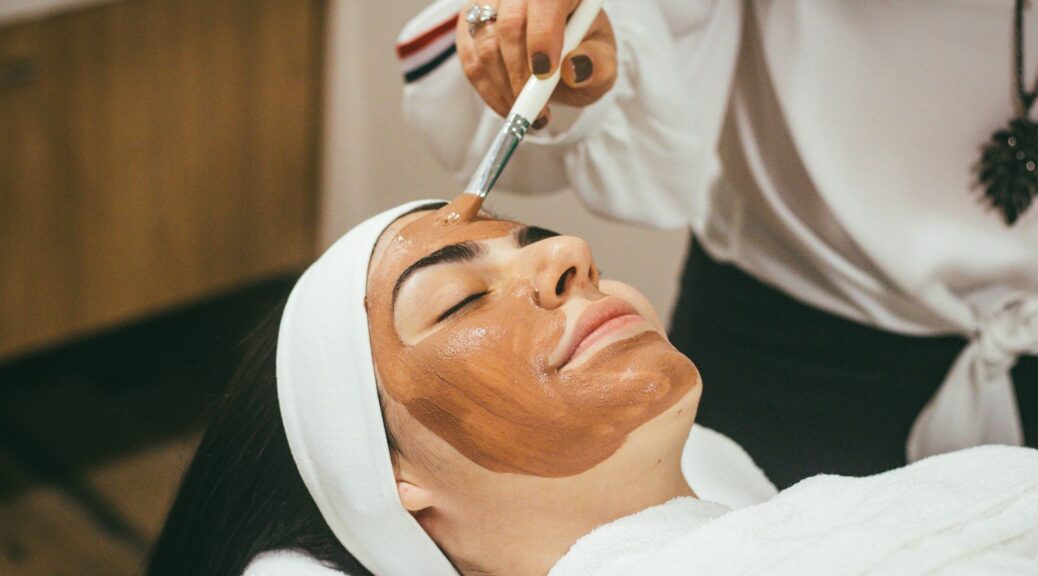
Lasers, peels, HIFU and microneedling in Switzerland: which skin treatment for which problem?
In short: lasers, IPL, peels, HIFU, radiofrequency, microneedling and threads can improve sun spots, redness, acne scars, fine lines and mild laxity, but each technology does a specific job, and the wrong one on the wrong skin can cause burns or dark marks. Switzerland regulates these treatments more precisely than many people realise. Since 1 June 2019, the Federal Ordinance on non-ionising radiation and sound (V-NISSG / O-LRNIS) governs cosmetic treatments with lasers, IPL, ultrasound and radiofrequency, and since 1 June 2024 anyone performing many of them commercially needs a certificate of competence. Some treatments, such as HIFU (unless the device meets a specific safety standard), ablative lasers and the treatment of age spots or melasma, are reserved for doctors, and some, such as removing moles with a laser or tattoos with IPL, are prohibited. Cosmetic skin treatments are self-funded under basic insurance (KVG/LAMal). This guide explains which technology suits which problem, who may perform it in Switzerland, how to prepare and how to look after your skin afterwards.
This article is general information. It does not replace an examination or medical advice from a qualified doctor.
For injectables such as botulinum toxin, fillers and skin boosters, see our 2026 guide to Botox, fillers and skin boosters in Switzerland. This article covers skin technologies and skin conditions.
Contents
- What changed in 2024, 2025 and 2026
- Who may do what in Switzerland
- Lasers and IPL: matching the device to the problem
- Chemical peels
- HIFU, radiofrequency and threads: tightening without surgery
- Microneedling and RF microneedling
- Sun spots, melasma and other pigmentation
- Acne scars
- Rosacea and redness
- Stretch marks, dark circles, neck, men and LED
- Before and after: skin routine and timing
- Switzerland or abroad: what really changes
- FAQ
What changed in 2024, 2025 and 2026
Certificates of competence became mandatory on 1 June 2024
The Federal Act on protection against dangers from non-ionising radiation and sound (NISSG) and its ordinance (V-NISSG) have regulated cosmetic treatments with lasers, intense pulsed light (IPL), ultrasound and radiofrequency since 1 June 2019. After a five-year transition, the Federal Office of Public Health (FOPH) states that, from 1 June 2024, people who carry out these treatments commercially need a certificate of competence (Sachkundenachweis). Accredited bodies have offered the training and examinations since April 2022. In practice, a beautician who removes hair with a laser or treats small red vessels with IPL must now be able to show this certificate, and Swissmedic advises clients to ask to see it before treatment.
A 2025 enforcement guide clarifies what is reserved for doctors
In August 2025, the FOPH published an updated enforcement aid on the use of products for cosmetic purposes under the V-NISSG, and its FAQ lists, in detail, the treatments that require a certificate, those reserved for doctors and those prohibited. We summarise them below. The key point for patients: the device does not decide who may use it; the indication does. A laser that may legally remove hair in a beauty institute may not be used there to treat age spots or melasma.
Non-surgical skin tightening is now a top-three procedure worldwide
The International Society of Aesthetic Plastic Surgery (ISAPS) released its 2025 Global Survey on 29 September 2026. After botulinum toxin and hyaluronic acid fillers, non-surgical skin tightening was the third most common non-surgical procedure worldwide, followed by hair removal. Demand for devices such as HIFU and radiofrequency is therefore high, and so is marketing; the sections below explain what these devices can and cannot do.
Exosomes after microneedling: caution
Exosome serums are increasingly applied after microneedling or lasers. As of 2026, no exosome product has been approved by the US Food and Drug Administration, Health Canada states that none is approved for sale or use in Canada, and Qatar banned exosome injections in July 2026. Ask exactly what product is being used and what its status in Switzerland is.
| Date | Source | What it means for you |
|---|---|---|
| 1 June 2019 | NISSG and V-NISSG | Cosmetic lasers, IPL, ultrasound and radiofrequency regulated by federal law |
| 1 June 2024 | FOPH | Certificate of competence required for many commercial treatments; ask to see it |
| Aug. 2025 | FOPH enforcement aid | Detailed lists of treatments reserved for doctors and prohibited uses |
| July 2026 | Qatar Ministry of Public Health | Exosome injections banned; no exosome product approved in the US or Canada |
| 29 Sept. 2026 | ISAPS Global Survey 2025 | Non-surgical skin tightening third among non-surgical procedures worldwide |
Who may do what in Switzerland
Which treatments need a certificate of competence?
According to the FOPH FAQ, a certificate of competence is required, among others, for cosmetic treatments of acne, cellulite and fat pads, wrinkles, scars and stretch marks, post-inflammatory hyperpigmentation, couperose, small red spots and spider naevi up to 3 mm, hair removal, and the removal of permanent make-up and tattoos by laser away from the eye area. These treatments may be performed by trained, certified non-medical professionals, as well as by doctors.
Which treatments are reserved for doctors?
The FOPH lists techniques reserved for doctors, or for practice staff under their direct supervision: HIFU (unless the device meets the IEC 60335-2-115:2021 safety standard), ablative lasers, long-pulsed Nd:YAG lasers, photodynamic therapy with phototoxic substances and laser lipolysis. It also lists conditions whose treatment is reserved for doctors, including actinic and seborrhoeic keratoses, age spots, angiomas larger than 3 mm, port-wine stains, keloids, melasma, vitiligo, warts, xanthelasma, varicose and spider veins, eczema and psoriasis. Treatments within 10 mm of the eye, such as removing tattooed eyeliner or treating small vessels there, are also reserved for doctors.
What is prohibited?
Removing tattoos and permanent make-up with IPL is prohibited, as is removing melanocytic naevi (ordinary moles) with a laser or IPL. Moles must be removed surgically, so that the tissue can be examined under a microscope if needed. A clinic that offers to « laser off » a mole is breaking the rules and may destroy evidence of a skin cancer.
| Treatment or condition | Status in Switzerland (FOPH FAQ) |
|---|---|
| Laser or IPL hair removal | Certificate of competence |
| Acne, wrinkles, scars, stretch marks, post-inflammatory pigmentation | Certificate of competence |
| Couperose and small vessels up to 3 mm | Certificate of competence |
| Laser tattoo removal away from the eyes | Certificate of competence |
| HIFU (device not meeting IEC 60335-2-115:2021) | Doctors only |
| Ablative lasers (CO2, erbium), long-pulsed Nd:YAG | Doctors only |
| Age spots, melasma, keratoses, port-wine stains, vessels over 3 mm | Doctors only |
| Anything within 10 mm of the eye | Doctors only |
| Moles removed by laser or IPL; tattoos removed by IPL | Prohibited |
What about radiofrequency microneedling?
The FOPH FAQ states that radiofrequency microneedling and radiofrequency needle mesotherapy are not currently subject to the federal certificate requirement, but cantonal rules may apply. Zurich, for example, treats needling deeper than 0.5 mm as a medical act reserved for doctors, and the canton of Vaud lists microneedling among procedures to be carried out in a medical setting. If you live in another canton, ask the practitioner which rules apply.
How do I check a practitioner?
Ask a non-medical practitioner to show the certificate of competence for the treatment you want. Check doctors in the federal MedReg register, which shows their specialist titles; dermatologists and plastic surgeons have the deepest training in skin. Ask how often they perform the treatment, on which skin types, and what they do if a burn or pigmentation occurs.
Does Swiss insurance pay for any of these treatments?
Cosmetic treatments are self-funded. Basic insurance pays for the diagnosis and treatment of skin diseases: a dermatologist consultation, a mole check, treatment of actinic keratoses (pre-cancerous sun damage), acne or rosacea with medicines on the reimbursement list, under the usual rules with your deductible and co-payment. For some medical conditions treated with lasers, ask the dermatologist whether a request for cost approval to your insurer makes sense before treatment. Never assume coverage for a cosmetic indication.
Lasers and IPL: matching the device to the problem
Why is there no single « best laser »?
Because each laser emits a specific wavelength that is absorbed by a specific target: haemoglobin in blood vessels, melanin in pigment, water in skin cells or ink in tattoos. The device must match the problem and your skin type. A vascular laser that clears redness will not remove wrinkles; a resurfacing laser that improves wrinkles can worsen melasma. A good practitioner starts with a diagnosis, not with the machine they own.
Which device for which problem?
| Problem | Typical devices | Downtime | Sessions |
|---|---|---|---|
| Redness, broken capillaries, rosacea | Pulsed dye laser, KTP laser, IPL | Redness, sometimes bruising, for days | Often 2 to 4 |
| Sun spots, freckles | Q-switched or picosecond lasers, IPL | Spots darken and flake off in 1 to 2 weeks | 1 to 3 |
| Fine lines, texture, mild scars | Non-ablative fractional lasers (including thulium) | A few days of redness and swelling | Series of 3 to 5 |
| Deeper wrinkles, significant scars | Ablative lasers (fractional CO2, erbium) | About 1 to 2 weeks, redness for weeks | 1 to 2 |
| Unwanted hair | Alexandrite, diode, Nd:YAG, IPL | Minimal | Series of 6 or more, then maintenance |
| Tattoos | Q-switched or picosecond lasers | Blistering and crusting for days | Many, spaced weeks apart |
What is the difference between ablative and non-ablative lasers?
Ablative lasers vaporise the outer layers of the skin, either completely or in tiny columns (fractional ablative), to trigger strong remodelling. They give the most visible results on wrinkles and scars but need about one to two weeks of healing and carry more risk of infection and pigment changes; in Switzerland, they are reserved for doctors. Non-ablative lasers heat the skin without removing it, so recovery is quicker, but several sessions are needed and results are more gradual. The FOPH notes that the fractional thulium laser around 1927 nm is classed as non-ablative.
Is IPL a laser?
No. Intense pulsed light emits a broad range of wavelengths filtered for the target. It can treat sun spots, redness and hair, and it is versatile and widely available, but it is less precise than a laser and riskier on tanned or darker skin. In Switzerland, IPL for hair removal or small vessels requires a certificate of competence, while IPL for age spots or melasma is reserved for doctors, and IPL tattoo removal is prohibited.
How does laser hair removal work, and is it permanent?
The laser targets the pigment in the hair and heats the follicle. Several sessions are needed because only hairs in the growth phase respond. Results are best on dark hair and light skin; blond, red, grey and white hair respond poorly. Most people achieve a long-lasting reduction rather than total, permanent removal, and occasional maintenance sessions are common. Hormonal causes of excess hair, such as polycystic ovary syndrome, should be investigated by a doctor. Medespoir has a French page on laser hair removal.
Does laser tattoo removal work on all colours?
Black and dark blue respond best; green, light blue, yellow and some reds are harder. Many sessions, spaced several weeks apart, are needed, and complete removal is not always possible. Some cosmetic tattoo pigments containing iron or titanium oxides can darken under the laser, so a test spot is wise. Near the eyes, removal is reserved for doctors. Medespoir describes laser tattoo removal in French.
Are lasers safe for darker skin?
Yes, with the right choices. Darker skin contains more melanin, which competes with the target and increases the risk of burns, dark marks (post-inflammatory hyperpigmentation) or light patches. Longer wavelengths such as the Nd:YAG for hair removal, conservative settings, test patches, pre-treatment with pigment-regulating creams and strict sun protection reduce the risk. Ask how often the practice treats your skin type and to see results on similar skin.
Chemical peels
Which peel depth is right for me?
| Depth | Common agents | Good for | Recovery |
|---|---|---|---|
| Superficial | Glycolic, lactic, mandelic, salicylic acid | Dullness, mild acne, fine texture, mild pigmentation | Little or none; light flaking |
| Medium | Trichloroacetic acid (TCA), combination peels | Sun damage, pigmentation, fine wrinkles, some scars | About a week of redness and peeling |
| Deep | Phenol-based | Deep wrinkles, severe sun damage | Weeks; medical monitoring needed |
Superficial peels are repeated in series; medium and deep peels are performed by doctors. Medespoir has a French page on peels.
Peel or laser: which is better?
Neither is universally better. Peels are often more affordable and work well for overall brightness, mild pigmentation and acne, with good results on many skin types when chosen carefully. Lasers offer more precise targeting of vessels, specific spots or scars. Many dermatologists combine them over a year: superficial peels for maintenance, a laser for a specific problem.
Is it normal for my skin to peel heavily?
After medium peels, yes: the skin darkens slightly, tightens and then peels in sheets for several days. Do not pull the flakes, because that can leave marks. Use the cream recommended by your practitioner and avoid the sun. Increasing pain, oozing or blisters are not normal and need a check.
HIFU, radiofrequency and threads: tightening without surgery
What does HIFU do, and who may perform it in Switzerland?
High-intensity focused ultrasound delivers heat at precise depths under the skin, including the layer that surgeons tighten in a facelift, to trigger contraction and collagen production over two to three months. It suits mild sagging of the jawline, brows and neck in people with good skin quality. Results are modest compared with surgery and last around a year or more. The FOPH classes HIFU as reserved for doctors or practice staff under their direct supervision, unless the device meets the IEC 60335-2-115:2021 standard for appliances used in commercial settings. Ask which device is used and who operates it. Treatment can be uncomfortable, and rare side effects include burns, nerve irritation and fat loss that makes the face look hollow.
How does radiofrequency tightening work?
Radiofrequency heats the deeper layers of the skin to stimulate collagen. Surface devices give gradual, subtle improvement over several sessions; internal devices placed under the skin during liposuction, such as BodyTite, give stronger tightening but are surgical procedures. Medespoir describes BodyTite in French. Surface radiofrequency is low risk in trained hands but results are modest and need maintenance.
HIFU, radiofrequency, threads or a facelift: how do I choose?
| Option | Best for | Typical duration of effect | Limits |
|---|---|---|---|
| HIFU | Mild sagging, good skin, aged 30s to 50s | About a year or more | Modest; discomfort; rare burns or volume loss |
| Surface radiofrequency | Skin quality and slight firming | Months; needs maintenance | Subtle results |
| Resorbable threads | Mild jowls, mid-face descent | Months | Visible bumps, asymmetry, infection; doctors only |
| Facelift or neck lift | Moderate to marked sagging, loose neck skin | Many years | Surgery and recovery of 2 to 3 weeks |
For the surgical options, see Deep plane or SMAS facelift: which is right for you?
Are thread lifts worth it?
Resorbable threads made of polydioxanone (PDO) or poly-L-lactic acid give a mild lift and stimulate some collagen. The visible lift often lasts months rather than years. They suit people with mild sagging and good skin who are not ready for surgery. According to the canton of Vaud, only doctors authorised in the canton may insert threads, and the threads must carry a valid CE marking; risks include infection, nodules, visible threads, nerve injury and asymmetry. Medespoir describes thread lifts in French.
Microneedling and RF microneedling
What does microneedling do?
Medical microneedling uses a pen or roller with fine needles to create thousands of tiny controlled injuries, which trigger collagen production. It can improve acne scars, enlarged pores, texture and fine lines over a series of sessions, usually four to six weeks apart. Redness lasts one to three days. It is generally safe on darker skin types, because it does not rely on heat targeting pigment.
What does RF microneedling add?
Radiofrequency microneedling delivers heat at the tip of the needles, inside the skin, for stronger remodelling and some tightening. It is popular for acne scars and lax skin on the lower face and neck. Downtime and risk are higher than with plain microneedling, including temporary grid marks and, rarely, burns or pigmentation. As noted above, cantonal rules on needling depth may reserve it for doctors.
Are home dermarollers a good idea?
Not really. Home rollers use shorter needles and give limited results, and they can spread bacteria if they are not sterile, causing infections or breakouts. Never use them on active acne, cold sores or irritated skin, and do not apply products not intended for broken skin after rolling.
What about PRP or « vampire facials »?
PRP, a concentrate of your own platelets applied or injected after microneedling, is used to improve texture and under-eye quality. Some patients notice brighter skin, but the scientific evidence is mixed and protocols vary. Because it involves blood, the canton of Vaud lists it among procedures reserved for a medical setting.
Sun spots, melasma and other pigmentation
Why must a doctor check a dark spot first?
Because some dark spots are not harmless. Melanoma and other skin cancers can look like sun spots, and destroying them with a laser delays the diagnosis. This is why, in Switzerland, treating age spots is reserved for doctors and removing moles with a laser or IPL is prohibited. Switzerland has one of the highest melanoma rates in Europe, so a skin check by a dermatologist before any pigment treatment is a sensible habit, and it is covered by basic insurance when there is a medical reason.
What is melasma, and why is it so hard to treat?
Melasma is a common, symmetrical brown patchiness on the cheeks, forehead and upper lip, mostly in women, triggered by sun, visible light, hormones (pregnancy, contraceptive pill) and genetics. It is chronic and tends to return. Heat-based treatments, including some lasers and IPL, can make it worse. Treatment relies on strict daily sun protection, ideally a tinted sunscreen that also blocks visible light, prescription creams such as hydroquinone combinations or azelaic acid, and sometimes oral tranexamic acid prescribed by a doctor after checking for clotting risk. Gentle peels and carefully chosen low-energy lasers may help in selected cases. In Switzerland, treating melasma with devices is reserved for doctors.
How are sun spots removed?
Solar lentigines (age or sun spots) respond well to pigment lasers, IPL or cryotherapy, after a doctor has confirmed the diagnosis. The spots darken, form a fine crust and flake off within one to two weeks. New spots appear over time with sun exposure, so sun protection remains essential.
What is post-inflammatory hyperpigmentation?
These are dark marks that remain after acne, eczema, insect bites, burns or aggressive treatments, especially in darker skin. They often fade on their own over months with sun protection. Gentle peels, azelaic acid, retinoids and some lasers can speed things up; in Switzerland, laser treatment of these marks requires a certificate of competence or a doctor. The best treatment is prevention: treat acne early and avoid harsh procedures on inflamed skin.
Acne scars
Which types of acne scars are there?
Dermatologists distinguish three main types of depressed scars: ice-pick scars (narrow and deep), boxcar scars (wider with sharp edges) and rolling scars (broad, wave-like depressions caused by bands pulling the skin down). Raised scars (hypertrophic or keloid) are a different problem. Most people have a mixture, which is why one treatment rarely solves everything.
What works for each type?
| Scar type | Options |
|---|---|
| Ice-pick | TCA CROSS (concentrated acid applied precisely into each scar), punch excision |
| Boxcar | Fractional lasers, RF microneedling, medium peels, punch elevation |
| Rolling | Subcision (releasing the bands with a needle), fillers or biostimulators, microneedling |
| Keloid or hypertrophic | Steroid injections, silicone, vascular laser; doctors only for keloids |
A combination over several months typically gives the best result: subcision and a filler for rolling scars, then fractional laser or RF microneedling for texture. Medespoir’s French page on scar treatment lists the techniques it uses.
Should active acne be treated before scars?
Yes. Treating scars while new acne keeps forming is frustrating and can worsen inflammation. A dermatologist can treat acne with topical treatments, antibiotics or isotretinoin, which basic insurance usually covers when medically indicated. After isotretinoin, many practitioners wait several months before aggressive procedures, although recent evidence suggests some treatments may be safe sooner; follow your dermatologist’s advice.
How much improvement can I expect?
A realistic goal is a significant improvement, often described as softening scars by a good proportion, not perfect skin. Results build over months as collagen remodels. Before and after photos in the same light are the best way to judge progress.
Rosacea and redness
What is rosacea, and can lasers cure it?
Rosacea is a chronic inflammatory skin condition of the face, with flushing, persistent redness, visible small vessels, and sometimes bumps and pustules or eye irritation. It cannot be cured, but it can be controlled. Vascular lasers and IPL are very effective on the fixed redness and visible vessels, often after two to four sessions, with maintenance once or twice a year. Bumps and pustules respond better to medicines such as ivermectin or metronidazole creams, azelaic acid or oral treatments, which a dermatologist prescribes and basic insurance usually covers.
Who may treat redness with a laser in Switzerland?
Couperose and small vessels up to 3 mm may be treated by certified non-medical practitioners. Larger angiomas, port-wine stains, leg veins and any vessels near the eyes are reserved for doctors. Because rosacea is a medical condition that also needs medicines, a dermatologist is usually the best starting point.
What triggers rosacea flares?
Common triggers include sun, heat, saunas, cold wind, alcohol, spicy food, hot drinks, intense exercise and some skin care products. Many people in Switzerland notice flares with the contrast between cold mountain air and heated interiors in winter. A symptom diary helps you identify yours. Gentle cleansers, fragrance-free moisturisers and mineral sunscreens are usually best tolerated. Medespoir describes its vascular laser treatments in French.
Other skin concerns people ask about
Can lasers or microneedling treat stretch marks?
They can improve them, not erase them. Fresh, red or purple stretch marks respond best, often to vascular lasers that reduce the redness and to fractional lasers or microneedling that improve texture. Older, white and silvery stretch marks are harder to change; fractional lasers, RF microneedling and some topical treatments can make them less visible over several sessions. Prescription retinoid creams may help early marks but must not be used during pregnancy. In Switzerland, cosmetic device treatment of stretch marks falls under the certificate of competence. If stretch marks come with loose skin after pregnancy or weight loss, only surgery that removes the skin, such as a tummy tuck, removes the marks located on that skin.
What can be done about dark circles under the eyes?
It depends on the cause. Hollows under the eyes cast a shadow and may respond to carefully placed filler or, in surgery, to fat repositioning. Pigmented circles, common in darker skin and often familial, may improve with prescription creams, gentle peels and strict sun protection. Thin skin that shows the blue of underlying vessels responds poorly to most treatments. Bags caused by fat that has moved forward are a surgical question, typically for lower eyelid surgery. Remember that, in Switzerland, laser or IPL treatments within 10 mm of the eye are reserved for doctors.
What about the neck, décolleté and hands?
These areas age with the face but heal more slowly, because the skin is thinner and contains fewer oil glands. Practitioners therefore use gentler settings and fewer passes than on the face. Sun spots on the hands and décolleté respond well to pigment lasers or IPL after a doctor has checked them. Fine crepey lines on the neck may improve with non-ablative fractional lasers, microneedling or skin boosters. Horizontal neck lines and loose neck skin are harder; radiofrequency or HIFU help in mild cases, and a neck lift is the effective answer when skin really hangs.
Do men need different skin treatments?
The technologies are the same, but men usually have thicker, oilier skin with more blood vessels, and a beard that matters for some devices. Laser hair removal near the beard line must be planned carefully to avoid unintended thinning of the beard. Men often seek treatment for redness, enlarged pores, acne scars and sun spots on the scalp or forehead. Shaving should pause for a day or two after many treatments, and men are frequently less consistent with sunscreen, which is the main cause of disappointing results.
Is LED light therapy useful?
Light-emitting diode devices, used in clinics or as home masks, emit low-energy red, near-infrared or blue light. Some studies suggest modest benefits for mild acne with blue light and for skin quality and healing with red light, but results are limited and depend heavily on consistent use. LED is very low risk, which makes it a reasonable add-on, but it is not a substitute for medical treatment of acne or for lasers on specific problems. People with light-sensitive conditions or taking photosensitising medicines should ask a doctor first.
Planning skin treatments alongside surgery? Medespoir’s price page places its Tunisian packages at around 60% below Swiss prices. Skin treatments can be combined with a planned stay; ask for a free, personalised quote, sent within 48 hours, to know what is possible, where and at what price.
Before and after: skin routine and timing
How should I prepare my skin?
- Avoid tanning, sunbeds and self-tanner for at least four weeks before lasers, IPL or peels.
- Tell the practitioner about all medicines, including isotretinoin, antibiotics, blood thinners and photosensitising medicines.
- Stop retinoids and exfoliating acids a few days before peels or lasers, as instructed.
- If you have had cold sores, ask about antiviral prevention before treatments around the mouth.
- For darker skin or a tendency to pigment, ask about a preparation cream for a few weeks beforehand.
What is a good routine after a laser or peel?
Keep it simple: a gentle, fragrance-free cleanser with lukewarm water, a bland moisturiser or the healing balm recommended by your practitioner, and no scrubs, acids or retinoids until the skin has fully recovered, often one to two weeks. Do not pick crusts or flakes. Sleep with your head slightly raised for the first nights after deeper treatments. Avoid saunas, hot baths, swimming pools and intense sport until redness settles.
How important is sun protection afterwards?
Essential. Freshly treated skin burns and pigments easily. Use a broad-spectrum sunscreen with high protection every day, reapplied when outdoors, plus a hat. In Switzerland, the sun at altitude is strong even in winter, and snow reflects ultraviolet light, so a ski weekend shortly after a laser or peel is a common cause of complications. For melasma, choose a tinted sunscreen that also protects against visible light.
What is the best season for skin treatments?
Autumn and winter for resurfacing lasers, pigment treatments and medium peels, because sun exposure is lower, but plan around ski holidays. Vascular treatments for redness and many superficial treatments can be done all year with strict sun protection. Laser hair removal is often started in autumn so that results are visible by summer.
Can several treatments be combined on the same day?
Some combinations are common and sensible, for example a vascular laser followed by a light peel on another area, or botulinum toxin injected at the end of a laser session. Others are better spaced: heat-based tightening and fillers in the same area, or a deep resurfacing and microneedling, because inflammation adds up and the risk of burns, swelling or pigmentation rises. Many practitioners prefer to leave about two weeks between fillers and energy-based treatments on the same zone. Ask for a written plan that shows the order of treatments and the intervals between them, especially if you want to fit everything into a short stay.
When can I wear make-up again?
After most superficial treatments, the next day. After ablative lasers or medium peels, once the skin has re-epithelialised, usually after about a week. Mineral make-up is often better tolerated at first. Clean brushes carefully.
What are the warning signs after a treatment?
Blisters, increasing pain, oozing, yellow crusts, fever, or a dark or white patch that spreads are not normal. Contact the practitioner or a doctor without delay. Early treatment of burns and infections reduces the risk of scarring and pigment changes.
How do I build a sensible yearly skin plan?
For many people, a realistic plan combines daily sun protection and a prescribed or recommended retinoid with one targeted treatment at a time: a laser series for redness or spots in autumn, a series of superficial peels or microneedling in winter, and tightening with HIFU or radiofrequency once a year if appropriate. Photos taken once a year in the same light help you judge what is worth continuing. Our article Non-surgical facial rejuvenation: what actually works? gives an overview.
Switzerland or abroad: what really changes
Most skin treatments are done in series and need follow-up, so travelling only for a laser rarely makes sense. Where it can make sense is when skin treatments are combined with a planned stay for surgery, or when a single procedure such as an ablative laser or a deep peel is done with enough time on site for healing.
| Criterion | Switzerland | Tunisia (Medespoir) | Turkey |
|---|---|---|---|
| Price level | Reference | Around 60% below Swiss prices according to Medespoir’s price page | The quote specifies whether the treatment is possible and where |
| Series of sessions | Easy, close to home | Best combined with a planned stay | Specified in the quote |
| Rules on who performs it | Federal V-NISSG rules and cantonal rules | Local rules; ask who performs each treatment and their qualification | Specified in the quote |
| Aftercare | Same practitioner, quickly reachable | On site during the stay; then a doctor in Switzerland at your expense | Specified in the quote |
| Language | Local language; English common in cities | Consultation and medical documents in French | Specified in the quote |
What should I ask before a skin treatment abroad?
Which device and which settings will be used, who performs the treatment and with what qualification, how many sessions are needed and over what period, what happens if a burn or pigmentation appears after you return, and whether you can avoid sun exposure on the way home. Avoid combining a beach holiday with a laser or peel. Medespoir’s French-language medical aesthetics guide explains which treatments it offers.
Is a deep treatment safe to have before flying home?
Flying itself is not a problem, but the skin must be protected from the sun and from infection, and you should be able to reach a doctor if something goes wrong. Ablative lasers and medium or deep peels need about a week of healing; plan the stay accordingly and bring the details of the treatment home so that a Swiss dermatologist can help if needed.
FAQ
Can a beautician do laser hair removal in Switzerland?
Yes, if they hold the federal certificate of competence, which has been required since 1 June 2024. Ask to see it.
Who may perform HIFU in Switzerland?
Doctors, or practice staff under their direct supervision, unless the device meets the IEC 60335-2-115:2021 standard, according to the FOPH.
Can lasers remove moles?
No. Removing moles with a laser or IPL is prohibited in Switzerland. Moles are removed surgically so that they can be examined if needed.
Is laser treatment for rosacea covered by insurance?
Usually not when the aim is cosmetic. Medical treatment of rosacea with prescribed medicines is generally covered under the usual rules.
How many sessions do acne scars need?
Often three to six sessions of one or more techniques, spaced weeks apart, with results building over months.
Can I have a peel in summer?
Superficial peels, yes, with strict sun protection. Medium and deep peels are better done in autumn or winter.
Do HIFU results last?
Typically around a year or more. The effect is modest and many people repeat it annually.
Is microneedling safe for dark skin?
Generally yes, and often safer than heat-based lasers, provided hygiene is good and the skin is not inflamed.
Your next step: request a free, personalised quote for skin treatments combined with a planned stay, sent within 48 hours and without commitment.
Main sources: FOPH, treatments with non-ionising radiation and sound (in German); FOPH, FAQ on treatments with non-ionising radiation and sound (in German); Swissmedic, information for consumers (in German); Canton of Vaud, thread lifts (in French); ISAPS, Global Survey 2025 press release (29 September 2026); The Peninsula, Qatar bans exosome injections (20 July 2026); Federal Health Insurance Act (KVG/LAMal).